Rotterdam World Gateway to add fourth deep-sea berth
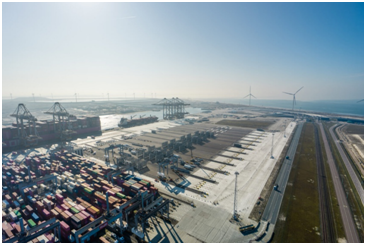
The terminal will add a fourth and final berth
capable of handling the largest containerships in the world, alongside
continued automation and sustainability upgrades. In this final phase, RWG will make use of
the full quay capacity allocated by the Port of Rotterdam Authority. The
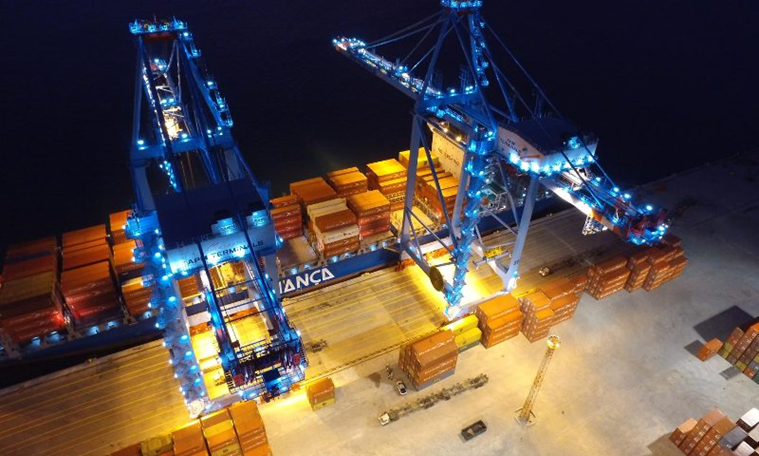
terminal will gain a fourth deep-sea container berth for the largest vessels in
operation. To support this, RWG is
investing in five new quay cranes, eleven storage modules fitted with 22
automated stacking cranes, and 24 automated guided vehicles (AGVs). The company will also explore the
potential implementation of a BoxBay system for empty container storage, with a
capacity of approximately 30,000 TEUs.
The latest phase of
development is centred on further automation and sustainable operations. RWG is
increasing charging capacity for electric equipment and expanding both office
space and maintenance facilities.
Capacity for gates and
non-standard cargo storage is also being increased. The total investment for
this final phase stands at approximately €500 million ($576 million),
part-financed by existing lenders, bringing RWG’s cumulative development cost
to around €2 billion ($2.6 billion).
Construction of the fourth berth will proceed in
phases at the existing terminal, running alongside the third-berth expansion
announced in 2023, which RWG expects to bring into commercial operation in
2027. Following contract finalisation
for this last phase, RWG will continue civil engineering works ahead of further
site development, with the additional capacity expected to enter commercial use
before 2030. Once complete, the terminal’s total storage capacity will reach
approximately 5 million TEUs. Ronald
Lugthart, CEO and Chairman of the Board of RWG, described the milestone as a
defining moment for the terminal: “This final phase marks a special moment in
the development of RWG. What started as an ambitious plan on a greenfield site
on Maasvlakte 2 is now progressing towards the final phase of the terminal as
originally conceived. “In many ways, RWG’s story reads like a children’s
adventure novel: from the very first plans, literally being the New kids on the
block in Rotterdam, we built something together that many people could only
dream of at the time.” He credited the
achievement to the company’s shareholders and workforce: “This milestone is the
result of entrepreneurial spirit, confidence, vision and investments of our
shareholders, but above all of the hard work and dedication of our employees.
They have built RWG into one of the most advanced, fully automated and
sustainable container terminals in the world.”
Lugthart added that the expansion strengthens Rotterdam’s broader
competitive position: “The last phase will not only strengthen RWG’s
continuity, it will also enhance the competitive position of Rotterdam as the
most important gateway to Europe. That makes this more than an investment in a
terminal; it is an investment in the future of the Port 2.0, the region and the
international position of Rotterdam.”
Related News