




Office Address
123/A, Miranda City Likaoli Prikano, Dope
Phone Number
+0989 7876 9865 9
+(090) 8765 86543 85
Email Address
info@example.com
example.mail@hum.com


123/A, Miranda City Likaoli Prikano, Dope
+0989 7876 9865 9
+(090) 8765 86543 85
info@example.com
example.mail@hum.com
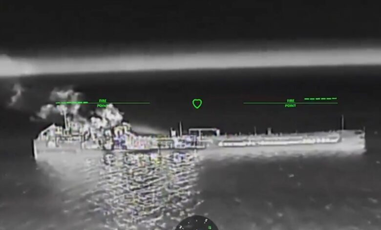
The blitz, which began in earnest on July 6, is designed to sever the
fuel and logistics chains sustaining Russian forces in occupied southern
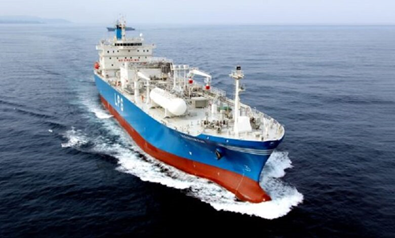
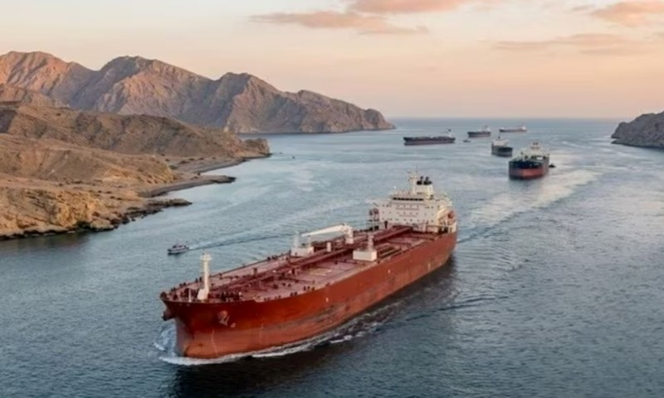
Ukraine and Crimea. Kyiv’s Unmanned Systems Forces said 11 more Russian ships
were hit overnight on Tuesday — five tankers, five cargo ships and a
tugboat. The nine-day tally has already
surpassed the pace of the Iran-Iraq tanker war, which saw more than 450 attacks
spread over seven years, according to data from maritime security firm
Ambrey. “The goal of the operation is
to systematically disrupt the enemy’s logistics chain,” the Unmanned Systems
Forces said, arguing that disabling tankers and auxiliary vessels chokes fuel
supplies to Russian troops and the occupation grouping in Crimea. Robert Brovdi, who commands the drone
branch, said his forces “are working intensively to destroy Russia’s shadow fleet
in the Sea of Azov”, with Kyiv also hoping to spark an exodus from Crimea, a
popular Russian summer holiday spot to which Moscow has deployed an
unprecedented number of tankers to shore up fuel reserves. In a symbolic strike
on Tuesday, the Ukrainian navy said a Sargan-3000 sea drone destroyed the FSB
border patrol ship Izumrud near Novorossiysk — a vessel that took part in the
2018 seizure of three Ukrainian navy ships in the Kerch Strait.
Ukraine’s Unmanned Systems Forces said they have
now expanded their campaign against Russia’s shadow fleet from the Sea of Azov
into the Black Sea, claiming strikes on 20 Russian vessels last night.
Moscow’s response has been deadly. Russian drones and shells hit four
ships in Odesa port and the Black Sea on July 13 and 14, Ukrainian officials
said, killing eight seafarers and injuring 10. Among them was a Togo-flagged
bulk carrier that caught fire while discharging fertiliser minerals; Ambrey
reported three of its crew killed and four seriously injured. The economic fallout is spreading. Around
a quarter of Russia’s grain exports — the world’s largest wheat trade —
normally move through Azov ports such as Mariupol and Berdyansk, a route Kyiv
accuses Moscow of using to ship grain stolen from occupied territories.
Commercial vessels have been unable to transit the Kerch Strait or the Azov-Don
channel with Russia’s agriculture ministry conceding on Tuesday that shipments
would be redirected to Black Sea and Baltic terminals if necessary.
Russian foreign minister Sergei Lavrov branded the campaign worse than
piracy. “It is terrorism, pure and simple,” he said. A Ukrainian military
source countered that the armed forces strike only military targets or those
strengthening Russia’s combat capability: “Civilian cargoes are not among
them.” Arsenio Dominguez, secretary-general
of the International Maritime Organization, condemned the Azov attacks on
Monday, warning that “such acts endanger seafarers, threaten the safety of
navigation, disrupt global supply chains and undermine the principles upon
which international shipping depends.”