IMF strategy chief calls for price stability amid global uncertainty
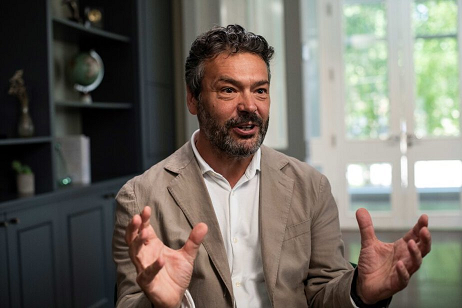
Christian Mumssen,
the fund’s new director of strategy, pointed to a series of major economic
shocks in recent years, including the coronavirus pandemic, cost-of-living
crises, trade frictions and wars in Ukraine and the Middle East. “Technologically, artificial intelligence
and digital finance are advancing at a speed few of us anticipated. And
geopolitically, the post-war global order is giving way to a more fragmented,
multipolar world,” he told an event at the Atlantic Council. “The global economy has proved remarkably
resilient in the face of these forces. But the sheer scale of what is under way
creates an exceptionally high degree of uncertainty – and we should expect the
unexpected.” Mumssen said governments must pay close attention to sound public
finances and debt, inflation, jobs and growth. He added that price stability is
likely to be threatened by frequent supply disruptions. Governments should enhance resilience from supply shocks and global
political tensions and work to manage uncertainty, he said. Mumssen said it was critical to
address fast-moving technical innovations, including to ensure the rapid AI
transformation translates to inclusive growth.
The major difference in the current global financial situation is that
large transformations are happening at the same time, he said.
“The problem is: just when massive structural
challenges and a new technological revolution would call for greater
international cooperation, the global governance system is fragmenting,”
Mumssen added.
Related News