

Office Address
123/A, Miranda City Likaoli Prikano, Dope
Phone Number
+0989 7876 9865 9
+(090) 8765 86543 85
Email Address
info@example.com
example.mail@hum.com


123/A, Miranda City Likaoli Prikano, Dope
+0989 7876 9865 9
+(090) 8765 86543 85
info@example.com
example.mail@hum.com
Russian Prime Minister Mikhail
Mishustin signed the corresponding order on July 14, authorising the State
Atomic Energy Corporation Rosatom to conclude the memorandum on behalf of the
Russian government. The order was published on Russia’s official portal of
regulatory legal acts.
According to the order, the
Russian government has accepted Rosatom’s proposal, developed in consultation
with the Ministry of Foreign Affairs and other federal agencies and following
preliminary discussions with the Government of India, to formalise cooperation
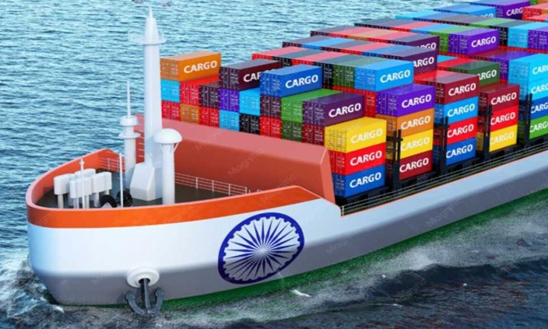
on maritime cargo transportation along the Northern Sea Route. Rosatom, which oversees navigation on the
NSR and operates Russia’s fleet of nuclear-powered icebreakers, will be responsible
for signing and implementing the memorandum.
The agreement marks another step in the growing strategic partnership
between India and Russia in the Arctic and maritime logistics sectors. India
has shown increasing interest in the Northern Sea Route as it continues to
expand energy imports from Russia, particularly crude oil and liquefied natural
gas (LNG) sourced from terminals on the Yamal Peninsula.
The NSR offers a shorter maritime corridor between Europe and Asia
compared to traditional routes via the Suez Canal, reducing transit times and
potentially lowering logistics costs during the Arctic navigation season. Beyond
energy imports, India is seeking to play a more active role in the development
of the Arctic shipping ecosystem. The country is working with Russian partners
on the construction of ice-class vessels at shipyards in Gujarat and is also
investing in training maritime professionals capable of operating in Arctic
conditions. The proposed memorandum
is expected to pave the way for enhanced collaboration in shipping, logistics,
vessel operations, infrastructure development, and knowledge sharing related to
Arctic maritime transport.
As geopolitical and trade dynamics continue to reshape global supply
chains, cooperation along the Northern Sea Route is likely to emerge as an
important pillar of the India-Russia economic partnership, offering new
opportunities for cargo movement between Asia, Europe, and the Arctic region.