



India-US Trade Pact to Come Into Operation Once India Gets Comparative Advantage: Goyal
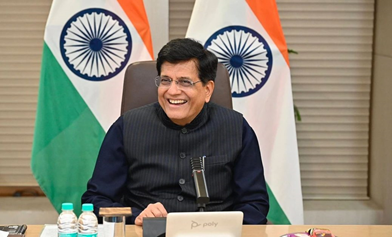
Speaking to reporters in New
Delhi, Goyal said the first tranche of the bilateral trade agreement, announced
by the two countries’ leaders on February 3, will come into operation once the
United States ensures India gets a comparative advantage over competitors in
its neighbourhood, the ASEAN region and other competing countries. He said this
was the founding basis of the first tranche of the agreement, and once
re-established, the deal would move forward.
Goyal noted that India
participated in the US Trade Representative’s Section 301 investigation into
forced labour concerns, under which the US has imposed a 10 percent tariff on
Indian goods. Despite this, he expressed confidence that India would continue
growing its exports as long as it maintains comparative advantage or comparable
duties relative to competing nations.
Goyal
said that as long as India retains a comparative advantage or comparable duty
structure, the country will continue to grow its exports and leverage the large
opportunity presented by the US market, underscoring the government’s focus on
securing favourable trade terms before the bilateral agreement is fully
implemented. The minister’s comments come amid ongoing uncertainty over tariff
differentials facing Indian exporters across sectors including textiles,
engineering goods and manufactured products, with the eventual implementation
of the trade pact expected to influence export volumes, shipping demand and
supply chain planning between India and the United States.

Related News