




Office Address
123/A, Miranda City Likaoli Prikano, Dope
Phone Number
+0989 7876 9865 9
+(090) 8765 86543 85
Email Address
info@example.com
example.mail@hum.com


123/A, Miranda City Likaoli Prikano, Dope
+0989 7876 9865 9
+(090) 8765 86543 85
info@example.com
example.mail@hum.com
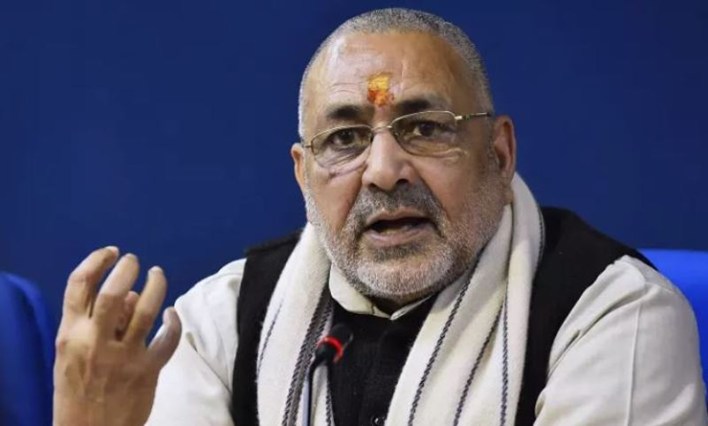
Speaking in an
interview, the Minister said India’s expanding FTA network would substantially
increase market access for textile exporters. He noted that India currently has
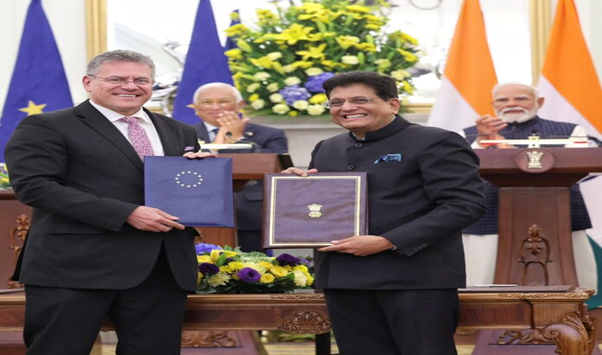
10 FTAs covering 19 countries, but with the UK agreement now operational and
negotiations with the European Union and New Zealand nearing completion, the
country’s FTA coverage is expected to expand to 56 countries in the coming
years. According to Singh, the global
textile import market is valued at around US$900 billion, while India’s share currently stands at only about
4 per cent. Once the proposed
FTAs, particularly with the European Union, are concluded, the 56 countries
covered under these agreements will account for nearly 60 per cent of the global textile import market, creating
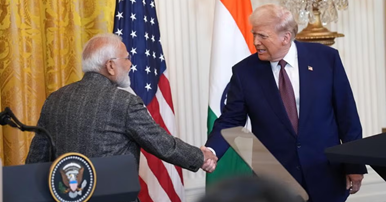
significant export opportunities for Indian manufacturers. On the impact of tariff uncertainties in
the United States, Singh said India has managed to retain around 80 per cent competitiveness in the US
textile market despite evolving trade measures. He noted that India’s textile
exports to the US stood at approximately US$10.9 billion before 2024, and although exports witnessed some
decline, the impact was far lower than initially anticipated. The Minister said the government responded by
diversifying export destinations and identifying around 40 new international
markets through Indian embassies under the guidance of the Prime Minister.
While concerns had been raised that India’s textile exports could decline by as
much as US$11 billion, the actual reduction was limited to around US$2
billion, reflecting the sector’s resilience.
Highlighting
efforts to broaden the country’s export base, Singh said textile exports have
now originated from 548 districts
across India, covering products ranging from handicrafts and handlooms to
garments. He described this wide geographical spread as a major achievement in
expanding export participation beyond traditional manufacturing clusters. To further strengthen export capabilities,
the Ministry of Textiles is developing six
dedicated Export Facilitation Centres from among the existing centres
operated by the Textile Department, Textile Committee and the Office of the
Textile Commissioner. These centres will assist new exporters with
registration, documentation, export procedures and compliance requirements,
including guidance on utilising Free Trade Agreements and obtaining Certificates
of Origin. Singh also said he plans to engage with Chief Ministers across the
country to encourage greater support for exporters at the district level by
recognising successful exporters, promoting awareness of government schemes and
identifying incentives that can help expand exports.
In addition, the
Ministry has directed all 11 Export
Promotion Councils under the textiles sector to organise awareness
programmes aimed at helping small and regional businesses understand export
procedures and maximise the benefits available under India’s growing network of
Free Trade Agreements.