



Iran-Oman Strait of Hormuz Deal Faces Sanctions, Insurance Hurdles
Under the proposal, Iran would
have the ability to intervene in inbound vessel traffic when necessary, while
ships exiting the Gulf would use a route between Iran and Oman and obtain
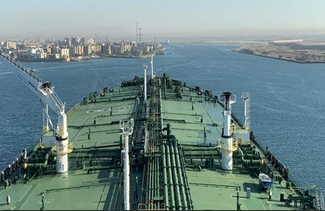
clearance through Oman after notifying Iranian authorities. The Strait of Hormuz, a critical global
energy corridor, carried around one-fifth of the world’s oil supplies and other
essential commodities before the conflict triggered by US-Israeli airstrikes on
Iran at the end of February. The waterway has traditionally remained open to
international shipping without transit fees. The biggest obstacle in negotiations is
the question of fees. Iran is reportedly seeking charges equivalent to5%–7% of the value of cargoes
transported through the strait, while Oman is discussing a fee of around3%. The United States, meanwhile,
wants shipping through the waterway to remain completely free of charges. Leading global shipping associations have
warned that compulsory transit or service fees would amount to a“toll in all but name” and could
undermine the internationally recognised legal framework governing straits used
for international navigation.
The International Maritime Organization (IMO) has previously called on
countries around the Strait of Hormuz to guarantee thenon-discriminatory and
unimpeded right of transit passage for all ships, with passage remaining
free of tolls and charges.
For shipping companies and oil
traders, any payment to Iranian authorities could create serious compliance
risks. The United States has imposed
sanctions on Iran’s Persian Gulf Strait Authority, established in May to
operate the waterway. Washington has also prohibited US persons from receiving
services from the Iranian government related to guarantees of safe passage. Industry sources warned that payments to
Iranian authorities could potentially expose companies to sanctions and
asset-freeze risks.
The situation has been further
complicated by new insurance restrictions introduced by the Lloyd’s Market
Association (LMA) in late July. A clause
developed for war-risk insurance policies terminates coverage for vessels that
pay a transit fee, toll or other charge for passage through the Strait of
Hormuz. Insurers would not be liable for such payments and could be released
from their obligations relating to the vessel if a prohibited payment is
made. Ships transiting the strait
already face additional war-risk premiums to maintain insurance coverage during
the journey. The conflicting
requirements have left shipping companies in what one insurance industry source
described as a“catch-22”: Iran
could require a toll for passage, while insurers may refuse to provide coverage
to vessels that pay it. The dispute over control and access to the Strait of Hormuz has emerged
as one of the key sticking points in efforts to resolve the conflict.
For global shipping, energy
markets and supply chains, the outcome could have far-reaching consequences.
Any system that introduces mandatory fees or additional clearance requirements
could increase transportation costs, create new compliance obligations and
potentially disrupt one of the world’s most important maritime trade routes.
Related News