



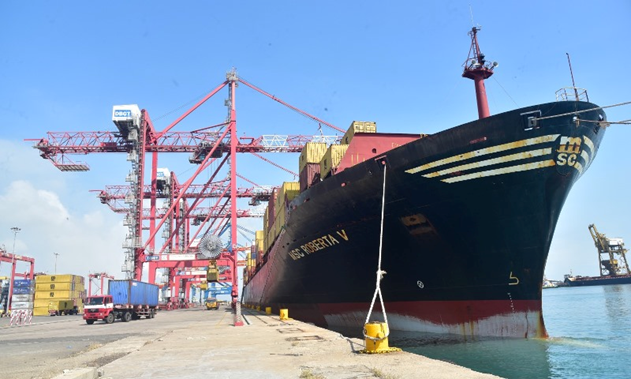
VOC Port Accelerates Infrastructure Expansion to Meet Rising Cargo Demand
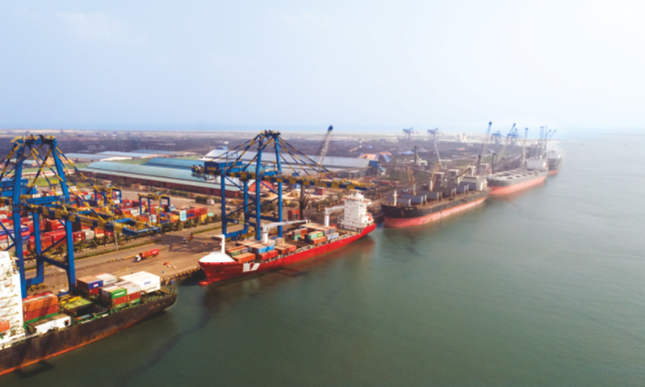
The Port has handled 14.73 million tonnes of cargo up
to July 2026, including 2.95 lakh TEUs of container traffic and 8.84 million
tonnes of major bulk cargo. With cargo volumes expected to increase
significantly in the coming years, the Port is undertaking a series of
infrastructure projects aimed at creating additional capacity and improving
operational efficiency.
Cargo traffic is
projected to reach 48.30 million tonnes in 2027-28, comprising 19.31 million
tonnes of container cargo and 28.99 million tonnes of bulk cargo. The volume is
expected to rise to 50.72 million tonnes in 2028-29, including 20.28 million
tonnes of container cargo and 30.44 million tonnes of bulk cargo. By 2029-30,
total cargo traffic is projected to reach 53.25 million tonnes, with 21.29
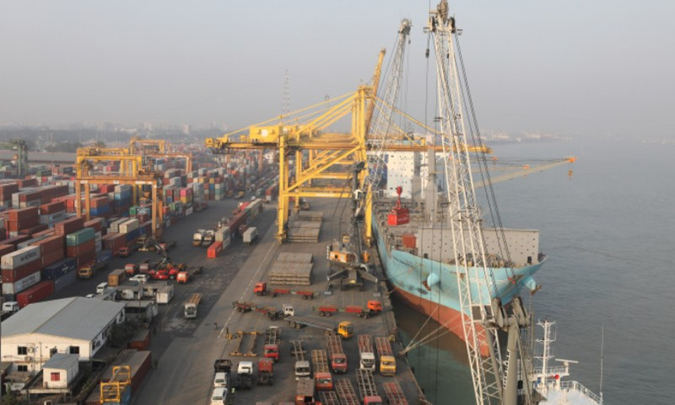
million tonnes of container cargo and 31.96 million tonnes of bulk cargo. As part of its container infrastructure
expansion, Berth No. 7 is being upgraded into a modern container terminal at an
estimated cost of ₹517.19 crore. The project will provide an annual handling
capacity of 4.2 lakh TEUs. The 370-metre berth will see its draft enhanced from
11.7 metres to 14.20 metres, enabling it to handle container vessels of up to
12,100 TEUs. The project is scheduled for completion by March 2029. Meanwhile,
development of Multi Cargo Berth No. 10, being undertaken at a cost of ₹87.38
crore, is progressing with around 70% physical progress. The berth will
initially have a capacity of 4 million tonnes per annum, with provision to
increase this to 10.22 million tonnes per annum following enhancement of the
draft to 14.20 metres. The project is targeted for completion by November 30,
2026.
To enhance cargo
storage, handling and evacuation capabilities, VOC Port is developing an
additional 40-acre Custom Bond Area at a cost of ₹61.64 crore. The facility will increase bulk cargo
stacking capacity and improve road connectivity to the upcoming Green Hydrogen
plant areas and the stackyards of North Cargo Berths-II and III. The improved
connectivity is expected to facilitate smoother cargo movement and faster
evacuation while supporting future cargo growth and port-led industrial
development. The Port has also completed infrastructure enhancement works at
its Marshalling Yard at a cost of ₹5.34 crore. Spread across 65,830 sq. metres
(16.25 acres), the upgraded facility includes dedicated loading and unloading
platforms along with supporting road infrastructure for cargo transportation
and vehicle movement. The enhanced
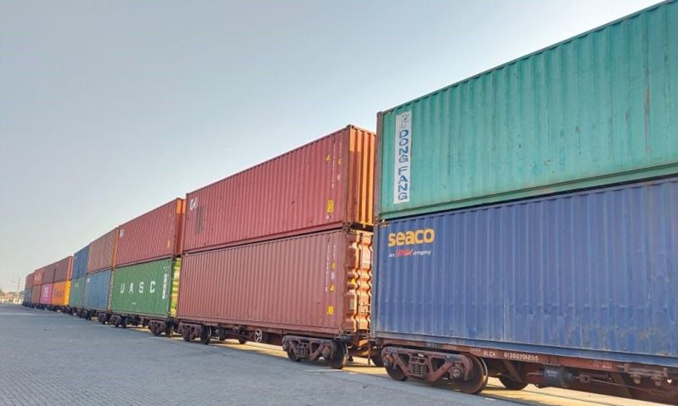
Marshalling Yard has already facilitated the rail dispatch of 100 VinFast
electric vehicles from Tuticorin to Ballabhgarh, Haryana, using newly
introduced NMG (Newly Modified Goods) wagons. The movement highlights the
Port’s enhanced capability to support automobile logistics and multimodal cargo
evacuation through improved rail infrastructure. VOC Port is also strengthening its essential
supporting infrastructure. A 3 MLD Seawater Reverse Osmosis (SWRO) desalination
plant is being established at a cost of ₹72.66 crore to meet the Port’s present
and future potable water requirements. The facility will be particularly
important in supporting upcoming developments, including the Outer Harbour,
Offshore Wind Power Terminal and Coastal Employment Unit. The project is
scheduled for completion by August 6, 2027.
In another development, the Port is constructing a Seafarers Club at the
VOC Wharf. The facility is intended to address the long-standing requirement
for dedicated amenities for seafarers visiting the Port and provide improved
facilities within the Custom Bond Area. The work is currently in progress and
is scheduled for completion by October 2026.
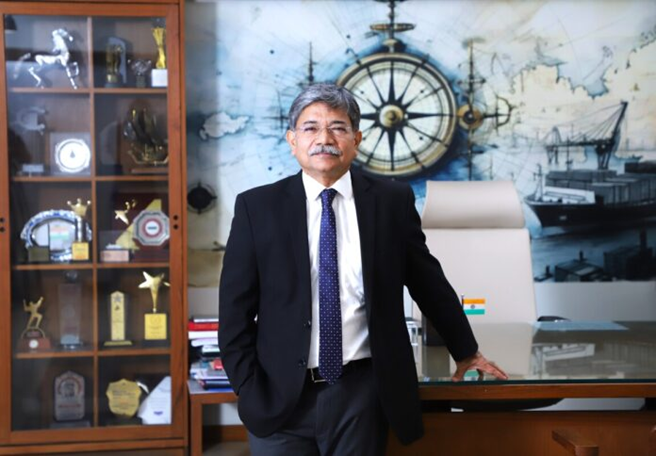
Commenting on the
development programme, Shri Susanta Kumar Purohit, IRSEE, Chairperson, V.O.
Chidambaranar Port Authority, said the ongoing initiatives are aimed at
enhancing cargo-handling efficiency and strengthening supporting logistics
infrastructure to meet the evolving requirements of trade and industry. He said
the development initiatives are being undertaken in line with the vision of
Prime Minister Narendra Modi under the PM Gati Shakti National Master Plan,
which seeks to promote integrated and efficient multimodal connectivity. The
initiatives also support the objectives of Maritime India Vision 2030 and Amrit
Kaal Vision 2047, under the guidance of the Ministry of Ports, Shipping and
Waterways, led by Union Minister Sarbananda Sonowal. With investments spanning container
terminals, multi-cargo berths, storage areas, rail infrastructure, road
connectivity, water supply and seafarer facilities, VOC Port is positioning
itself to handle the projected growth in cargo traffic while strengthening its
role as a key gateway for southern India’s trade and industrial development.
Related News