



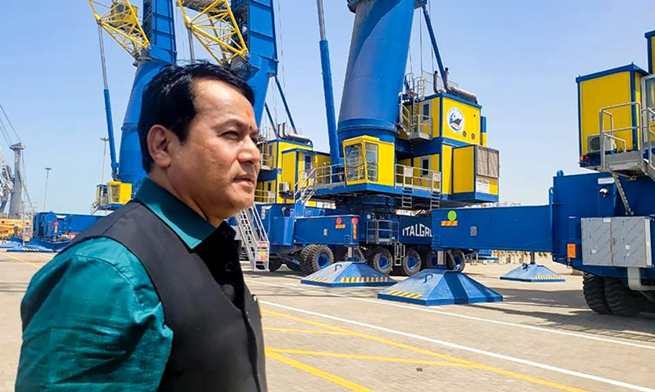
Sonowal Reviews Green Shipping Corridors, Alternative Fuel Readiness at Indian Ports
During the review,
ministry officials presented updates on ongoing green shipping initiatives and
plans aimed at strengthening India’s position as a hub for cleaner maritime
trade routes. The Rocky Mountain
Institute (RMI) also presented its work on developing low- and zero-emission
shipping corridors, highlighting measures to accelerate the adoption of cleaner
fuels and technologies across the shipping ecosystem. “Green shipping is not a choice anymore;
it is the direction the world is moving in, and India, under the dynamic
leadership of Prime Minister Narendra Modi, intends to lead from the front,”
Sonowal said. Three major ports — Deendayal Port Authority, Paradip
Port Authority and V.O. Chidambaranar Port Authority — presented their progress
in developing green fuel bunkering hubs. The initiatives are aimed at creating
the infrastructure required to support the growing use of alternative and
low-carbon marine fuels. Meanwhile,
Kamarajar Port Limited reported that its coal terminals have been equipped with
shore power facilities, enabling berthed vessels to draw electricity from the
shore instead of operating their onboard engines. The facility is expected to
reduce emissions from vessels while at berth.
The initiatives cover key areas
including green fuel infrastructure, alternative-fuel bunkering, shore power
and port decarbonisation. The review also highlighted the importance of
coordination among the government, port authorities, research institutions and
knowledge partners to advance India’s maritime sustainability and
decarbonisation goals.
Related News