North Sea Port Receives First LNG Bulk Shipment from Canada
The shipment was
delivered by a specialised LNG carrier, bringing liquefied natural gas from
Canada to the port’s facilities in Belgium. The arrival adds a new source to
the port’s LNG supply network and strengthens its links with the North American
energy market. The cargo highlights the
growing role of LNG infrastructure in supporting Europe’s energy supply
diversification. LNG can be transported by specialised carriers from producing
regions to receiving terminals, where it is stored and subsequently converted
back into natural gas for distribution.
Canada has been expanding its position in the global LNG market
following the development of new export infrastructure on its west coast.
Canadian LNG supplies can reach European markets through established
international shipping routes, providing buyers with another source of natural
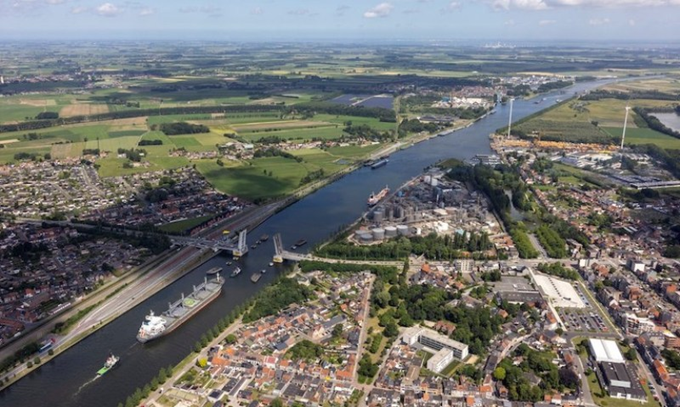
gas. For North Sea Port, the first
Canadian LNG shipment further broadens its international energy connections and
demonstrates the port’s role in handling energy commodities alongside
container, bulk and general cargo. The
development also reflects continued changes in global LNG trade flows, with
European importers maintaining diversified sourcing options amid evolving
energy markets and supply requirements.
The arrival of Canadian LNG is expected to contribute to North Sea
Port’s growing role as an energy gateway and strengthen maritime trade links
between Canada and Europe.

Related News