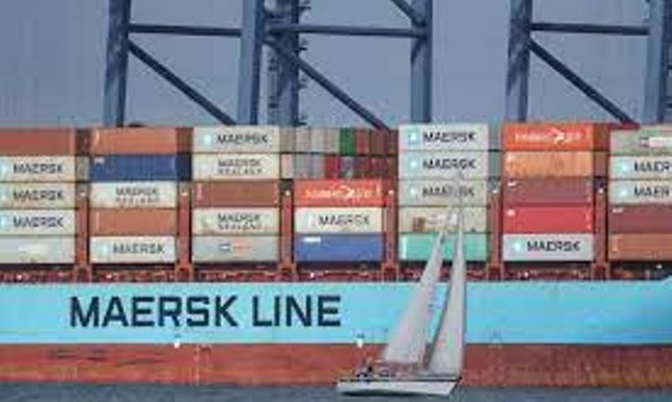
Maersk Revises Emergency Surcharge on India–Latin America Trade
The adjustment
covers selected cargo moving from countries in the Indian Subcontinent to
destinations across Latin America. The surcharge revision forms part of
Maersk’s latest update to its freight charges as market and operating
conditions change. Emergency
surcharges are generally introduced by carriers to recover additional costs
arising from unexpected disruptions, operational constraints, security risks or
changes in shipping routes. Maersk has been reviewing such charges across its
network as conditions evolve. For
exporters and importers, the lower surcharge can reduce the overall freight
cost for containers moving from the Indian Subcontinent to Latin American
markets. The change may be particularly relevant for businesses that have been
facing higher logistics costs on long-distance trades. The India–Latin America trade lane covers a
wide range of commodities, including agricultural products, chemicals,
pharmaceuticals, engineering goods, textiles and manufactured products.
Shipping costs remain an important factor for exporters competing in these
markets. Maersk’s latest adjustment
also reflects the broader practice among container carriers of periodically
reviewing emergency and contingency charges. Such revisions allow carriers to
align additional fees with prevailing operating expenses and conditions
affecting specific trade routes.
Shippers using Maersk services are advised to check the latest
applicable tariff and surcharge levels for their origin, destination, cargo
type and sailing date. Charges can vary depending on the specific service and
shipment conditions. The revision
provides some relief to customers moving cargo from the Indian Subcontinent to
Latin America, while highlighting the continuing changes in freight pricing
across global container shipping markets.
Related News