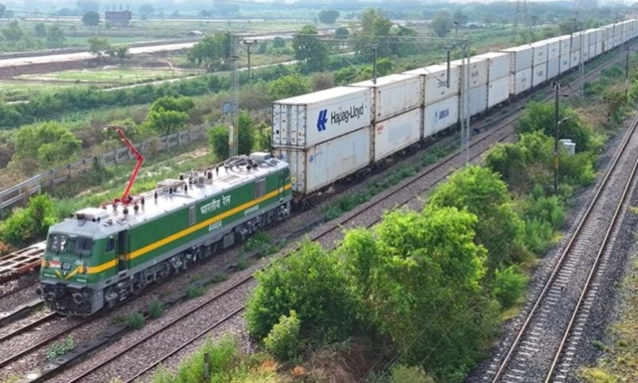
DFCs and Tariff Reforms Drive Growth in Rail Freight
The DFC network is
improving the speed, capacity and reliability of freight movement by providing
dedicated infrastructure for cargo trains. Higher-capacity operations and
reduced transit times are helping railways compete more effectively with road
transport on key freight routes. The
Western and Eastern Dedicated Freight Corridors have also created opportunities
to shift additional cargo onto rail, particularly along major industrial and
consumption corridors. Improved connectivity between production centres,
logistics hubs and ports is supporting the movement of containerised and bulk
cargo. Tariff reforms are further
contributing to the expansion of the rail freight customer base. More
competitive and flexible pricing can encourage industries to consider rail for
commodities that have traditionally relied on road transportation. The broader cargo mix is important for
sustaining freight growth as Indian Railways seeks to reduce its dependence on
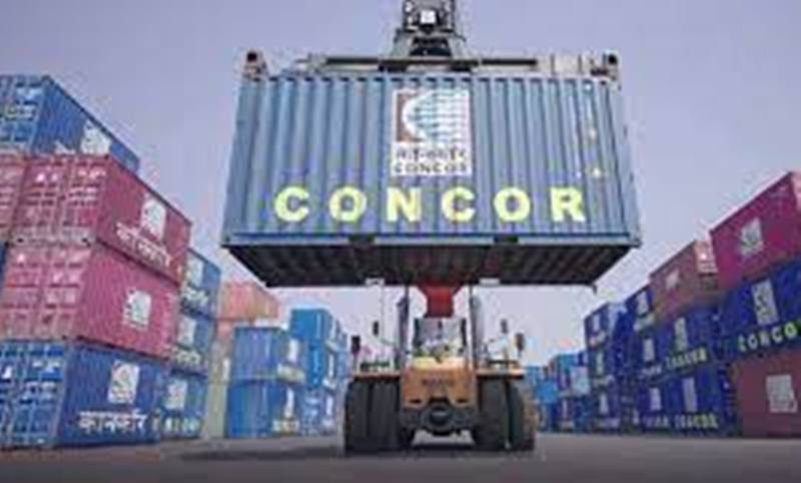
a limited number of traditional bulk commodities. Containerised cargo,
automobiles, foodgrains, cement, fertilisers and other industrial products are
among the segments with potential for increased rail movement. Improved rail infrastructure is also
supporting India’s multimodal logistics network by strengthening connections
between ports, inland terminals, manufacturing clusters and distribution
centres.
The continued
development of DFCs, combined with pricing reforms and improved logistics
connectivity, is expected to support further growth in rail freight and provide
businesses with an additional option for moving cargo over long distances.
The shift could
contribute to more efficient freight movement and help strengthen the
integration of rail into India’s wider logistics ecosystem.
Related News