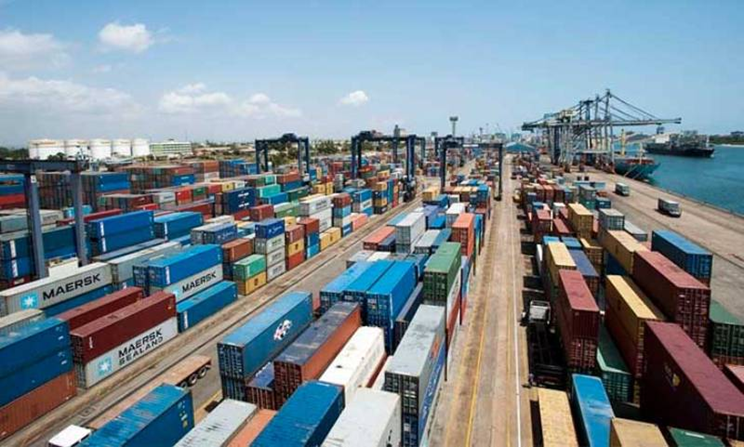
Dar es Salaam Transit Cargo Grows 17% as Trade Routes Shift
The rise reflects stronger demand for the port as a gateway for
landlocked countries in the region. Dar es Salaam serves as an important
maritime entry point for cargo destined for markets including Tanzania’s
neighbouring countries. The increase
in transit volumes comes as shippers and logistics operators reassess routes
based on port efficiency, transport costs, cargo-handling performance and
connectivity with inland markets.
Higher transit cargo volumes could strengthen Dar es Salaam’s position
in regional trade and support increased utilisation of road and rail links connecting
the port with the hinterland. Competition among East African corridors
remains intense, with ports and logistics authorities investing in
infrastructure and improving cargo-clearance processes to attract transit
business. Faster cargo movement and more predictable delivery times are increasingly
important factors in determining route selection. The growth in Dar es Salaam transit traffic
also provides opportunities for freight forwarders, transport operators and
logistics providers serving regional markets.
As corridor competition evolves, continued improvements in port
operations, inland connectivity and border procedures will be crucial for Dar
es Salaam to sustain its momentum and capture a larger share of regional
transit trade.
Related News