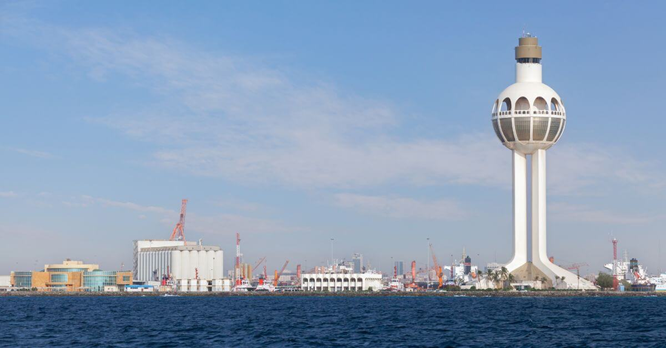
Yemen’s Houthis Threaten to Strike Jeddah and All Saudi Red Sea Ports If Hodeidah Is Attacked
The warning came on November 25, 2026, in
a statement issued by Houthi military spokesperson Yahya Saree. Houthi officials told port staff and
residents of the nearby areas to evacuate at once. Shipping companies were also
told to pull their vessels out of the Saudi ports along the Red Sea coast. The Saudi-led coalition said it struck
operational capabilities at Hodeidah after the Houthi statement was released.
The coalition also claimed to have destroyed a number of targets in the Saada
and Amran governorates of Yemen. The
threat follows a Houthi drone strike on the tallest tower in the Saudi capital
Riyadh on Tuesday (24 Nov) which injured at least 11 people as per Saudi
authorities. The coalition fighting the Houthis has vowed a firm response to
that attack. The current escalation
follows a conflict that began in 2014, when the Houthi movement seized Yemen’s
capital. Fearing an Iranian-backed foothold on its southern border, Saudi
Arabia assembled a military coalition in March 2015 to intervene, launching
years of airstrikes and imposing strict air and sea restrictions on Houthi-held
territory. Hodeidah on Yemen’s Red Sea
coast is the chief entry point for food and essential goods going into the
Houthi-held north of the country. The port has long served as a lifeline for
humanitarian aid and commercial imports into Yemen, which depends heavily on
imported goods. Clashes between the
Houthis and Saudi Arabia have grown since September after Houthi fighters
pushed towards the Bab el-Mandeb Strait, which links the Red Sea with the Gulf
of Aden. Since then, the group has attacked Saudi oil sites and airports as
well as ports more often, while Saudi jets have carried out more airstrikes on
Houthi positions in Yemen.
In
July 2026, the Houthis had announced a ban on all shipping to and from Saudi
ports and warned that vessels breaking it could be hit with missiles and
drones. Since the effective closure
of the Strait of Hormuz in early March, Saudi Arabia has been relying on its
Red Sea ports such as Jeddah and Yanbu for key imports and non-oil
exports. References: Reuters, Modern Diplomacy, Al Bawaba, MEES

Related News