Saturday, 28 November 2026, 01:27:04 PM
BREAKING NEWS
GT Lines joins CU Lines’ China–Gulf Express as service goes weekly Amazon Global Selling reports US$27 billion in cumulative e-commerce exports from India India–Denmark Maritime Partnership gains momentum with focus on Green Ammonia engines, port electrification and sustainable shipping ZIM restarts Levant Black Sea Express without Alexandria call Surge in arrivals hits Canary Islands as eight illegal migrants die JNPA awards ₹76.92 crore shore power project at GTI Terminal – a major leap towards Green Shipping West Bengal roads will be like America in five years says Nitin Gadkari, announces infrastructure projects worth ₹1 lakh crore ASSOCHAM projects US$1 trillion in Indian exports as US weighs new tariffs Bangladesh garment unrest keeps 360 factories idle after minimum wage rises 36% Odisha puts new port, shipbuilding cluster and green fuel berth on maritime agenda GT Lines joins CU Lines’ China–Gulf Express as service goes weekly Amazon Global Selling reports US$27 billion in cumulative e-commerce exports from India India–Denmark Maritime Partnership gains momentum with focus on Green Ammonia engines, port electrification and sustainable shipping ZIM restarts Levant Black Sea Express without Alexandria call Surge in arrivals hits Canary Islands as eight illegal migrants die JNPA awards ₹76.92 crore shore power project at GTI Terminal – a major leap towards Green Shipping West Bengal roads will be like America in five years says Nitin Gadkari, announces infrastructure projects worth ₹1 lakh crore ASSOCHAM projects US$1 trillion in Indian exports as US weighs new tariffs Bangladesh garment unrest keeps 360 factories idle after minimum wage rises 36% Odisha puts new port, shipbuilding cluster and green fuel berth on maritime agenda
Bangladesh garment unrest keeps 360 factories idle after minimum wage rises 36%
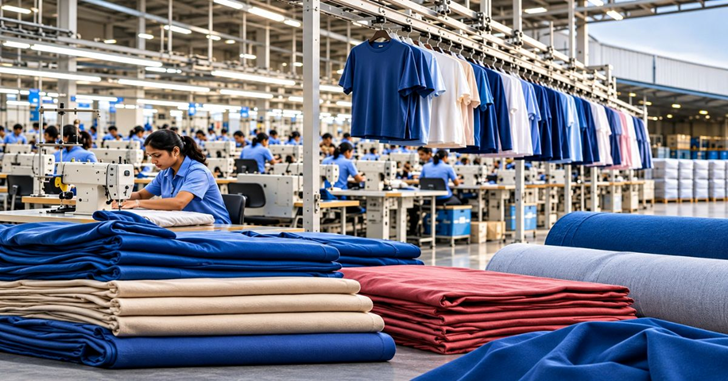
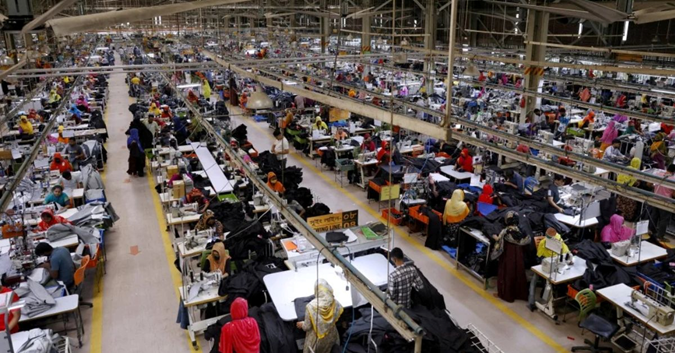
Production remained suspended at 360 garment factories in Bangladesh on 26 November 2026, a day after the country’s Minimum Wage Board raised the sector’s monthly minimum wage by 36 per cent to Tk17,000. The Bangladesh Garment Manufacturers and Exporters Association (BGMEA) reported the stoppages as labour unrest continued across Gazipur, Savar and Ashulia, key manufacturing areas around Dhaka.

Bangladesh garment unrest keeps 360 factories idle after minimum wage rises 36%

Of the 360 factories, 213 declared holidays amid worker dissatisfaction and concerns about further unrest. Another 147 were closed under Section 13(1) of the Bangladesh Labour Act, which allows factories affected by labour unrest to suspend operations without paying wages during the closure. BGMEA president Mahmud Hasan Khan Babu said some factories had reopened, though disruption remained widespread.     Some workers returned to production lines in Savar and Ashulia on Thursday, while protesters in Gazipur attempted to block the Dhaka–Mymensingh highway near the Bhogra bypass. Labour and Employment Minister Ariful Haque Choudhury said he expected factories to resume operations on Saturday, 28 November. That was the government’s expectation at the time of his briefing.     The new wage structure raises entry-level monthly pay by Tk4,500 from Tk12,500, the minimum set in 2023. Under the four-grade structure, monthly pay ranges from Tk17,000 for Grade 4 workers to Tk21,500 for Grade 1. The new rates take effect on 1 December, with workers expected to receive their first salaries under the revised scale in January.     The six-member board approved the Tk17,000 minimum by four votes to two after nearly 12 hours of talks. Worker representatives had sought Tk32,000 initially and lowered their demand to Tk18,000 during negotiations. Labour rights advocates said the approved rate fell short of a living wage, while manufacturers called on international buyers to reflect higher labour costs in purchasing prices.    Ready-made garments account for about 80 per cent of Bangladesh’s export earnings and directly employ around four million people. BGMEA figures show knitwear and woven garment exports reached US$3.17 billion in October 2026, up 4.9 per cent year on year. That figure provides a benchmark for the sector before the November stoppages.     A BGMEA survey of 317 factories estimated about US$428 million in lost production over 18 days of disruption and about US$254 million in orders shifted to other countries. For exporters and freight forwarders, the timing of factory reopenings will determine how quickly delayed orders can move from production to dispatch.

Search Sagar Sandesh