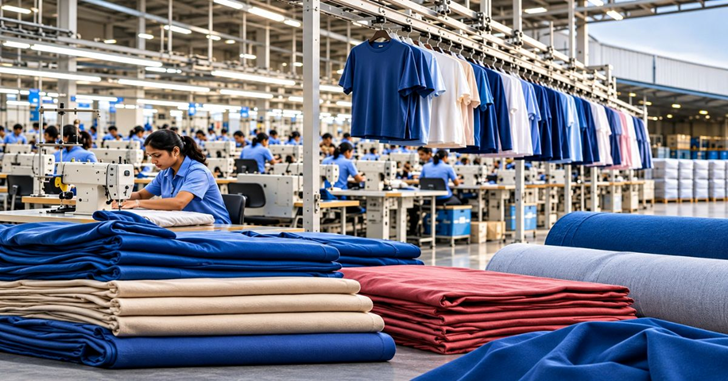
India’s $100-billion textile export ambition hinges on manufacturing scale and reliable supply chains
Titled Winning the Global
Wardrobe: India’s Roadmap to Textile and Apparel Leadership, the report
places the export ambition within a broader US$350-billion industry target.
Both figures cover textiles and apparel together, with finished garments
identified as a major opportunity for expansion. The industry is currently valued at
approximately US$190–200 billion, while textile and apparel exports have
remained broadly around US$37 billion over the past decade. Reaching the export
target therefore requires a substantial acceleration in overseas business. The domestic market, estimated at US$157
billion, represents nearly 80% of the industry and is projected to expand by
9–10% annually through FY2030–31. Export growth will need to outpace domestic
expansion considerably to achieve the stated ambition. India’s established fibre, yarn and
fabric capabilities have not translated into a comparable position in finished
garments. The report estimates India’s share of global apparel exports at
approximately 3%, highlighting the opportunity to move further into
higher-value manufacturing. Product
diversification is central to the proposed strategy. India has a limited presence
in synthetic-led categories such as outerwear and sportswear, despite their
importance in international trade.
The report identifies opportunities to strengthen existing cotton-based
categories while developing capabilities in trousers, hosiery, knitwear and
suits. Synthetic and other fibres account for 87% of global outerwear trade and
93% of sportswear trade, illustrating the need for a broader product and
material base. Pricing also matters.
Apparel priced between US$5 and US$15 represents 53% of imports across the ten
largest markets examined in the study, making the mid-priced segment a
substantial potential market for competitive Indian suppliers. BCG identifies five priorities: selecting
attractive markets and product categories, developing lasting buyer
partnerships, expanding integrated manufacturing, improving workforce
productivity, and deploying artificial intelligence (AI) and automation. The report also calls for shared
infrastructure, sustainability capabilities and affordable finance to support
manufacturers, including micro, small and medium enterprises. These measures
are intended to help suppliers combine production scale with consistent quality
and stronger supply-chain performance.
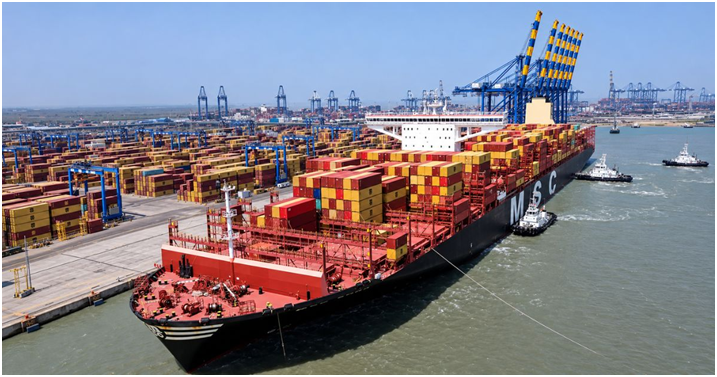
International buyers are diversifying sourcing while concentrating orders
among fewer suppliers. The study notes that major brands have reduced supplier
factory numbers by 35–60% since 2010. For exporters and their logistics
partners, this makes dependable execution of larger orders increasingly
relevant to securing sustained business.
BCG Managing Director and Partner MehakDhir said AI-led interventions
could increase manufacturing productivity by more than 20%, reduce defects by
over 20% and lower material waste by 6–9%. These are potential improvements,
rather than results already achieved across the industry. At the launch, Textiles Secretary
NeelamShami Rao emphasised fibre availability and the importance of long-term
commercial relationships. She urged businesses to build partnerships and
collaborations rather than rely solely on transactional trade.
The report’s central
requirement is therefore broader than additional capacity: India must develop
the manufacturing efficiency, product capabilities and delivery consistency
needed to become a dependable sourcing partner for global buyers.
Related News