




Office Address
123/A, Miranda City Likaoli Prikano, Dope
Phone Number
+0989 7876 9865 9
+(090) 8765 86543 85
Email Address
info@example.com
example.mail@hum.com


123/A, Miranda City Likaoli Prikano, Dope
+0989 7876 9865 9
+(090) 8765 86543 85
info@example.com
example.mail@hum.com
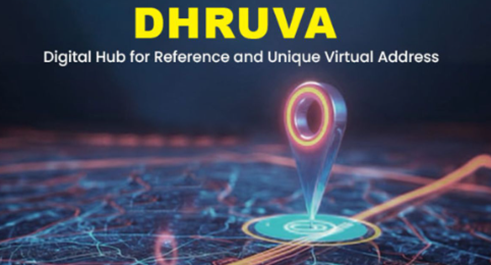
This transformative initiative seeks to develop a
standardised, geo-coded digital address system across the country, enhancing
delivery of both public and private services with greater precision and
efficiency. The Department of Posts has formally released the DHRUVA policy
document, building upon the earlier launch of the Digital Postal Index Number
(DIGIPIN). This development signifies
India’s push to treat address data management as a core public infrastructure
component — similar to Aadhaar or UPI — ensuring inclusivity, user-centricity,
and innovation across governance and service delivery ecosystems.
Objectives and Vision: To build a national-level digital addressing system
based on geo-coding; To create a unified, interoperable, and secure framework
for address data and to ensure user privacy while promoting data sharing
through consent-based mechanisms.
Key Features of DHRUVA: Standardisation of addresses to overcome
inconsistencies and regional variations. Uses the Address-as-a-Service (AaaS)
model for address management. Offers users control and flexibility over their
digital addresses and designed to be interoperable across government,
e-commerce, logistics, financial services, etc.