



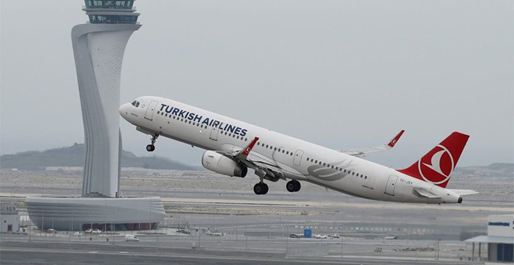
India Flags Explosives, Safety Breaches in Turkish Airlines Flights during Surprise Checks
The safety oversight and ramp (SOFA/RAMP) inspections
were conducted on Turkish Airlines’ passenger and cargo flights at Delhi,
Hyderabad, Chennai, and Bengaluru airports between May 29 and June 2, 2025. Highlighting the gravity of the findings, DGCA
confirmed that the airline’s operations in India will remain under close
monitoring, with additional inspections planned as necessary to uphold safety
standards.
Key violations identified during the inspections
included the carriage of dangerous goods, specifically explosives, without
mandatory permissions from the DGCA or appropriate mention in the dangerous
goods declaration. Additionally, procedural lapses in ground operations were
observed at multiple airports.
At Kempegowda
International Airport in Bengaluru, the marshaller responsible for handling
ground operations reportedly lacked both proper authorisation and a valid
competency card. Moreover, an Aircraft
Maintenance Engineer (AME) was not available during an aircraft’s arrival, and
a technician conducted arrival procedures instead, despite Airworks being the
airline’s designated engineering service provider. The inspections also revealed gaps in
operational agreements and ground handling processes. At Hyderabad and
Bengaluru airports, critical equipment such as ladders, trolleys, and ground
power units (GPUs) were not properly accounted for, and there was no official
service level agreement (SLA) in place between Turkish Airlines and its ground
handling agent (GHA). The ground
services at these locations were being managed by Globe Ground India,
reportedly without a formal handover from Celebi, whose security clearance in
India was revoked last month amid rising diplomatic tensions.
The DGCA has reiterated its unwavering commitment to
maintaining stringent safety and regulatory standards for all foreign carriers
operating within Indian airspace. Turkish Airlines has been directed to rectify
these issues immediately and align its operations with International Civil
Aviation Organisation (ICAO) standards and DGCA regulations. The aviation authority confirmed that follow-up
inspections will be conducted to ensure continued compliance.
It’s important to
note that these checks were carried out solely on Turkish Airlines aircraft and
not on the two Boeing 777 aircraft wet-leased by IndiGo from the Turkish
carrier. Both Turkish Airlines and
IndiGo currently operate daily flights between Delhi and Istanbul and Mumbai
and Istanbul.
This regulatory crackdown comes against a backdrop of
diplomatic strain between India and Turkey. Following Turkey’s overt support to Pakistan during Operation Sindoor
and the alleged deployment of Turkish drones by Pakistan, India has been
reviewing its aviation and business ties with Turkey. As part of this realignment, the DGCA recently instructed IndiGo to
terminate its wet lease agreement with Turkish Airlines by August 31, 2025,
granting a final three-month extension upon receiving an undertaking from
IndiGo that no further extensions would be sought.
The aviation
ministry has made it clear that ensuring passenger and airspace safety remains
its highest priority and has warned that any non-compliance will result in
strict regulatory action.
Related News