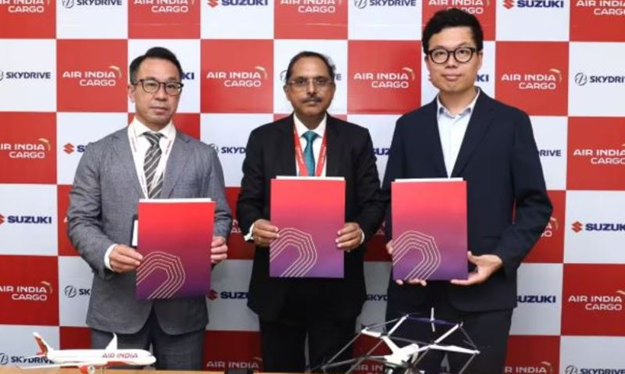
Air India, SkyDrive, Suzuki Evaluate eVTOL Use for Medical Deliveries
The joint study
will examine the operational, technical, and regulatory requirements for using
eVTOL aircraft to transport critical medical supplies, including medicines,
vaccines, blood products, diagnostic samples, and emergency equipment. By
leveraging eVTOL technology, the partners aim to reduce delivery times while
overcoming infrastructure challenges in areas where road connectivity is
limited. As part of the initiative, the
companies will evaluate potential operating routes, charging infrastructure,
maintenance requirements, and integration with existing healthcare and
logistics networks. The study will also assess the commercial viability of
eVTOL operations and identify opportunities to support emergency medical
response and disaster relief efforts.
The collaboration aligns with India’s growing focus on sustainable
transportation and next-generation aviation technologies. Electric aircraft
offer the potential to lower operating costs, reduce carbon emissions, and
provide faster point-to-point connectivity compared with conventional ground
transport for time-sensitive medical cargo.
Industry experts
believe the partnership could accelerate the adoption of advanced air mobility
solutions in India and pave the way for broader commercial applications of
eVTOL aircraft in cargo, passenger transport, and emergency services. If found
viable, the initiative could contribute to modernizing India’s healthcare
logistics network while supporting the country’s long-term goals for
innovation, sustainable mobility, and improved access to essential medical
services.
Related News