



Office Address
123/A, Miranda City Likaoli Prikano, Dope
Phone Number
+0989 7876 9865 9
+(090) 8765 86543 85
Email Address
info@example.com
example.mail@hum.com


123/A, Miranda City Likaoli Prikano, Dope
+0989 7876 9865 9
+(090) 8765 86543 85
info@example.com
example.mail@hum.com
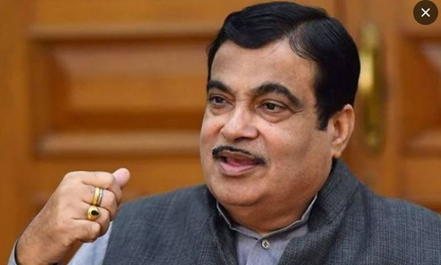
The initiative, aimed at curbing vehicular pollution
and decarbonising road transport, will also see hydrogen refuelling stations
established along these corridors by Indian Oil Corporation and Reliance
Petroleum.
The pilot corridors
include major routes such as Greater
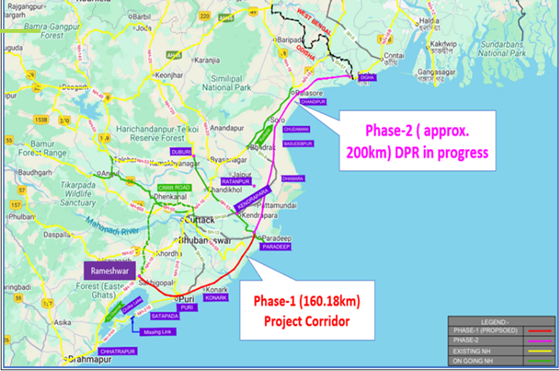
Noida-Delhi-Agra, Bhubaneswar-Puri-Konark, Ahmedabad-Vadodara-Surat,
Sahibabad-Faridabad-Delhi, Jamshedpur-Kalinganagar, Thiruvananthapuram-Kochi,
and Jamnagar-Ahmedabad. These stretches will serve as testing grounds for
hydrogen-powered heavy vehicles, paving the way for wider commercial adoption
in the coming years.
Gadkari noted that major commercial vehicle
manufacturers, including Tata Motors, Ashok Leyland, and Volvo, have already
begun developing hydrogen-powered trucks, signaling industry readiness for a green
transition. “Climate change is the
biggest challenge faced by India, and green hydrogen can play a transformative
role in reducing carbon emissions from transport,” he said, adding that India
has the potential to become the world’s largest exporter of green hydrogen,
strengthening its role in the global clean energy supply chain. The minister also emphasized the need to
reduce logistics costs to boost manufacturing competitiveness. According to
studies by IIM Bangalore, IIT Chennai, and IIT Kanpur, road logistics costs,
previously at 14-16% of GDP, have already dropped by 6%. “By December this
year, logistics costs will come down to single digits,” Gadkari asserted.
Highlighting
infrastructure as the backbone of economic growth, Gadkari reiterated the
government’s ambition to make India a $5 trillion economy and the world’s
third-largest economy. He further said that India’s automobile industry could
emerge as the number one globally within the next five years, powered by new
technologies such as electric and hydrogen mobility.