

Office Address
123/A, Miranda City Likaoli Prikano, Dope
Phone Number
+0989 7876 9865 9
+(090) 8765 86543 85
Email Address
info@example.com
example.mail@hum.com


123/A, Miranda City Likaoli Prikano, Dope
+0989 7876 9865 9
+(090) 8765 86543 85
info@example.com
example.mail@hum.com
The official said that
Washington expects the economic strain to intensify and believes that, unless
Maduro agrees to major concessions, Venezuela could face a severe economic
crisis by late January.
President Donald Trump
has publicly refrained from detailing his end goals regarding Venezuela, but
sources indicate he has privately urged Maduro to step down. In recent remarks,
Trump reportedly suggested that it would be “smart” for the Venezuelan leader
to leave power.
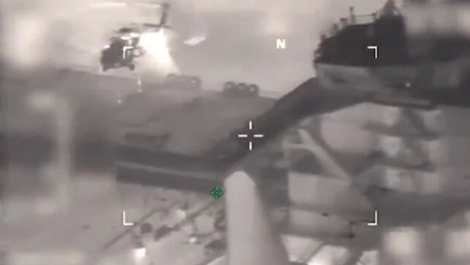
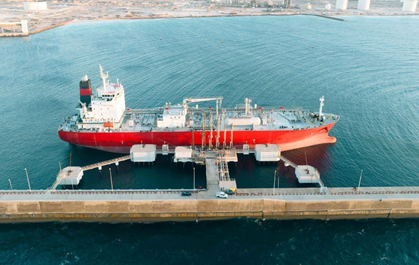
The directive has resulted in US forces
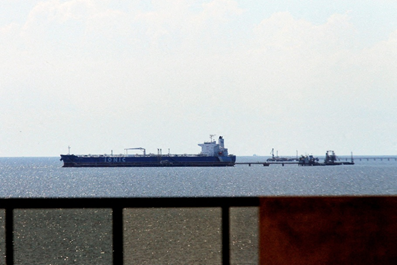
concentrating on interdicting Venezuelan oil shipments. This month, the US
Coast Guard intercepted two tankers in the Caribbean Sea carrying Venezuelan
crude.
Per reports,
preparations are underway to seize a third vessel, an empty sanctioned tanker
named Bella-1, following an earlier attempt on Sunday.
Officials emphasised that the term “quarantine” was
chosen deliberately rather than “blockade,” reflecting a historical precedent
from the Cuban Missile Crisis.
Using “blockade” could
be seen as an act of war under international law, whereas “quarantine” implies
economic pressure without direct military confrontation.
The US military has deployed more than 15,000
personnel across the Caribbean, including an aircraft carrier, 11 additional
warships, and over a dozen F-35 aircraft.
Earlier this month, the US told the United Nations
it would impose and enforce sanctions “to the maximum extent” to cut off
resources to Maduro’s government.
Venezuela has strongly
condemned the US measures. The country’s ambassador to the UN reportedly stated
that the US government posed the real threat, dismissing Washington’s claims
that Venezuela was a danger.
Caracas has labelled the oil “quarantine” as an act
that violates its sovereignty, while UN experts have criticised the measures,
arguing they could be seen as illegal armed aggression.