



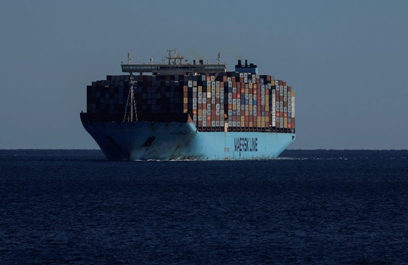
Maersk waives ‘Disruption Surcharge’ for Red Sea sailings on India–U.S. East Coast trade
The surcharge was earlier introduced to offset higher
operating costs arising from vessel diversions around the Cape of Good Hope,
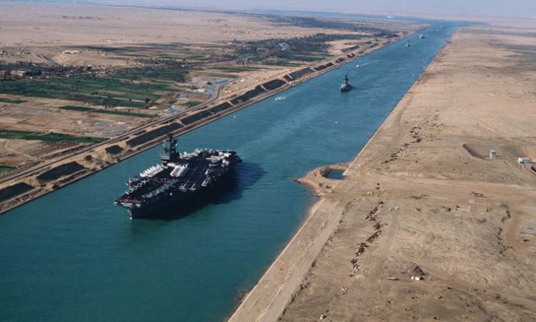
following security risks in the Red Sea that forced carriers to avoid the Suez
Canal. These diversions led to longer transit times, increased fuel consumption
and higher operational expenses.
With the latest move, Maersk has withdrawn the
additional charge for India–USEC sailings routed via the Red Sea disruption
alternative, signalling a recalibration of its pricing strategy as market
conditions evolve.
Industry
stakeholders say the waiver will ease freight costs for Indian exporters and
importers trading with the U.S. East Coast, particularly in sectors such as
engineering goods, textiles, chemicals and consumer products, which rely
heavily on containerised shipping.
The decision also reflects softening freight rates and
competitive pressure on major east–west trade lanes, as carriers adjust to
demand patterns and improved capacity management.
Maersk’s move could
influence other global carriers to reassess similar surcharges introduced
during the peak of the Red Sea crisis. While vessels continue to avoid the Suez Canal due to security
concerns, shipping lines are increasingly absorbing part of the additional
costs rather than passing them fully on to customers.
The Red Sea
disruptions, which began in late 2023, had significantly impacted global supply
chains, forcing rerouting on Asia–Europe and Asia–U.S. trades and leading to
higher freight rates and surcharges across markets.
For now, Maersk’s
decision to waive the disruption surcharge is being welcomed by the trade as a
positive step toward cost normalisation on the strategically important
India–USEC corridor.
Related News