




Office Address
123/A, Miranda City Likaoli Prikano, Dope
Phone Number
+0989 7876 9865 9
+(090) 8765 86543 85
Email Address
info@example.com
example.mail@hum.com


123/A, Miranda City Likaoli Prikano, Dope
+0989 7876 9865 9
+(090) 8765 86543 85
info@example.com
example.mail@hum.com

Speaking after the operation, US president Donald Trump said the United
States intended to take charge of Venezuela “for the time being”, with a
particular focus on reviving the country’s oil industry, while stressing that
the embargo on Venezuelan crude remains fully in force. Trump claimed major US
oil companies would eventually invest billions of dollars to rehabilitate
Venezuela’s degraded infrastructure, but made clear that sanctions relief was
not imminent.
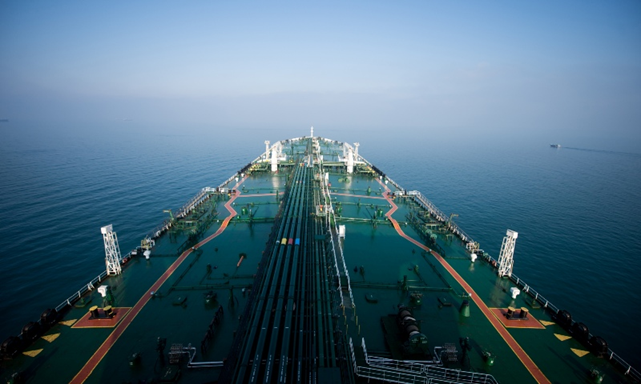
For shipping, the impact has been swift and severe. Venezuela’s crude
exports, already constrained by sanctions and enforcement actions, appear to be
effectively paralysed. Reuters reported
that port authorities have not received departure clearance requests from
tankers that had completed loading, while ship-tracking data shows vessels
either stationary at berth or departing Venezuelan ports empty...Maritime analytics platform Kpler
highlighted the scale of disruption. In an analysis following Maduro’s capture,
Kpler said the event marked “a decisive turning point” for Venezuelan crude
flows, not because of immediate sanctions relief, but because of intensified
enforcement and legal uncertainty. “State-owned oil company PDVSA’s legal ability
to contract, transfer title, or receive payment is now in doubt,” Kpler noted,
adding that maritime enforcement has become “the leading export constraint”.
Kpler data shows roughly 1.32m cu m of oil
currently carried on sanctioned vessels, with Venezuelan crude and blends
accounting for nearly three-quarters of that volume. Surveillance near
Venezuelan ports has intensified, ship-to-ship transfers in Caribbean zones are
drying up, and self-sanctioning by traders, insurers and shipowners is
accelerating.
While Kpler sees the possibility of a medium-term transition if a
recognised successor authority emerges, it stressed that near-term flows remain
frozen. “As in past precedents, leadership removal amid sanctions regimes does
not trigger immediate relief but instead deepens enforcement, freezes assets,
and paralyzes trade until legal continuity is re-established,” Kpler said.