

Office Address
123/A, Miranda City Likaoli Prikano, Dope
Phone Number
+0989 7876 9865 9
+(090) 8765 86543 85
Email Address
info@example.com
example.mail@hum.com


123/A, Miranda City Likaoli Prikano, Dope
+0989 7876 9865 9
+(090) 8765 86543 85
info@example.com
example.mail@hum.com
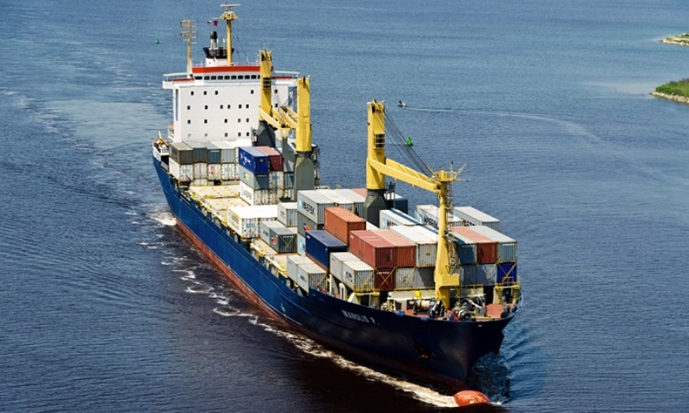
Industry data shows
that the world’s largest container lines have accelerated vessel deliveries and
newbuilding orders over the past two years, significantly increasing their
market share. In contrast, mid-tier carriers have struggled to match this pace,
constrained by limited financial flexibility, higher capital costs and reduced
access to shipyard slots.
The widening gap is largely attributed to economies of
scale. Mega-carriers are leveraging stronger balance sheets to place large
newbuilding orders, secure long-term charter agreements and invest in
next-generation, fuel-efficient vessels. Their scale also allows them to
negotiate more competitive contracts for fuel, terminals and inland logistics,
further strengthening their cost advantage.
Medium-sized
operators, many of whom focus on regional or niche trades, are finding it
increasingly difficult to compete on both price and network coverage. As
alliance structures evolve and larger players deploy ultra-large container
vessels on major east-west routes, smaller carriers risk being pushed into
secondary markets or becoming reliant on feeder and intra-regional services.
Analysts warn that
the imbalance could accelerate industry consolidation. Some mid-sized lines may
seek strategic partnerships, mergers or acquisitions to remain competitive,
while others could reposition themselves toward specialized services,
underserved trade lanes or value-added logistics solutions.
At the same time,
the aggressive capacity expansion by leading carriers raises broader market
concerns. If demand growth fails to keep pace with fleet additions, the
industry could face renewed overcapacity pressures, impacting freight rates and
profitability across the board. For
now, however, the trajectory is clear: in the race for scale and efficiency,
the largest carriers are pulling further ahead, leaving medium-sized players
under mounting competitive pressure.