




Office Address
123/A, Miranda City Likaoli Prikano, Dope
Phone Number
+0989 7876 9865 9
+(090) 8765 86543 85
Email Address
info@example.com
example.mail@hum.com


123/A, Miranda City Likaoli Prikano, Dope
+0989 7876 9865 9
+(090) 8765 86543 85
info@example.com
example.mail@hum.com
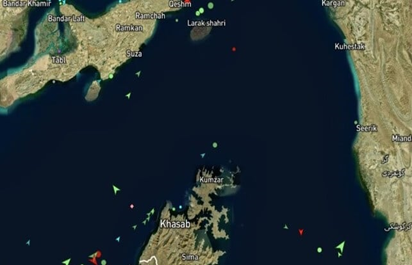
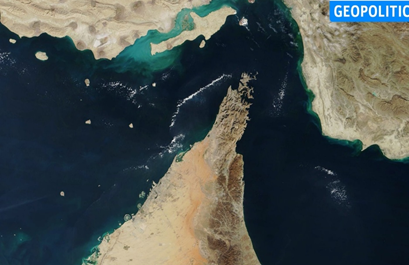
As the security situation in the Gulf region
remains dangerous for vessel transits, industry voices differ on the
question of whether vessels should stay out of the Strait of Hormuz for reasons
of seafarer safety.
Transits of the strait
are under direct threat from Iran, which has demonstrated a capability to hit
vessels that attempt to make the run. Even if past the strait and inside the
Gulf, all inbound merchant ships remain within targeting distance and
vulnerable to Iranian attack, from Kuwait to Dubai.
Blue-chip operators
like Maersk and CMA CGM have cast their votes in favor of prudence and
suspended calls in the Gulf region, thereby eliminating war risk for their
seagoing personnel (except those already west of Hormuz). On the other end of
the spectrum, a handful of owners are asking their captains to make transits in
and out, some while transmitting their positions.
To be sure, seafarers have agency of their own.
Under IBF rules, crewmembers have a right to be informed of combat-zone hazards
and a right to request repatriation - a request with its own professional
risks.
So far, industry
bodies have recommended owners to weigh and manage the war risks, not to avoid
them - consistent with the varying opinions and business models of
international shipowners. For VLCC
owners, Mideast transits are now more lucrative than at any point in
industry history. If the risk to crew is acceptable, a single voyage could pay
for a third of the price of the ship.
"Seafarers continue to operate in a complex
and uncertain environment, and their safety and wellbeing must remain a
priority," said Intertanko and OCIMF in a joint statement Thursday.
"Operational decisions should be based on thorough, company-led due
diligence and comprehensive risk assessments . . . [and] the human element
should be considered in decision-making."
The International
Chamber of Shipping, which represents vessels of all classes, expressed concern
and emphasized the obligation of nation-states to ensure safety.
"By no fault of their own, [seafarers'] lives are now tragically at risk. We call on all states to take the fundamental steps to ensure their safety," ICS' leadership said in a statement. "Freedom of navigation is crucial to global trade. All states must ensure the safe passage of merchant vessels, prioritizing the safety and welfare of the crew on board."
Some observers have
called for private parties to take their own actions to ensure safety for
crew.
"Stop trying to
pass the Strait of Hormuz!" implored EOS Risk Group's Martin Kelly in a
message Wednesday. "There have been at least 10 attacks against shipping n
72 hours. At least one person dead, and at least one ship abandoned. . .
. Please, defer transit."