




Office Address
123/A, Miranda City Likaoli Prikano, Dope
Phone Number
+0989 7876 9865 9
+(090) 8765 86543 85
Email Address
info@example.com
example.mail@hum.com


123/A, Miranda City Likaoli Prikano, Dope
+0989 7876 9865 9
+(090) 8765 86543 85
info@example.com
example.mail@hum.com
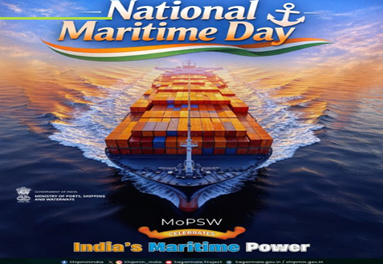
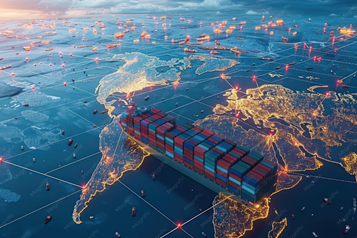
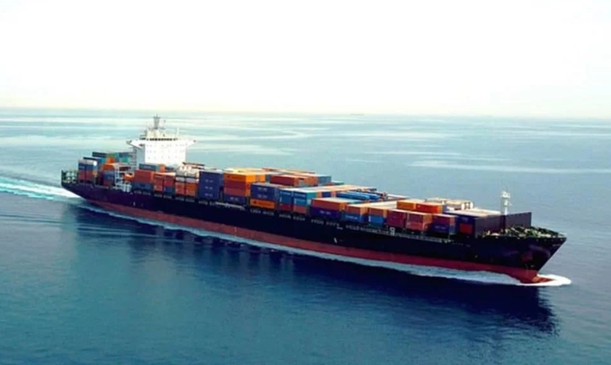
Highlighting the pivotal role of the maritime
industry, MoPSW emphasized how India’s ports—spanning the eastern and western
coasts—serve as vital gateways for international trade. From handling bulk
cargo and containers to facilitating energy imports and export-driven growth,
all major ports have consistently demonstrated resilience, efficiency, and a
commitment to excellence. India’s
maritime sector handles over 90% of the country’s trade by volume and around
70% by value, underlining its critical importance to the economy. Major ports
such as Jawaharlal Nehru Port Authority, Deendayal Port Authority, Paradip Port
Authority, Visakhapatnam Port Authority, and Chennai Port Authority continue to
set benchmarks in cargo handling, operational efficiency, and sustainability.
In recent years,
the sector has witnessed significant transformation through flagship
initiatives like the Sagarmala Programme, aimed at modernizing port
infrastructure, enhancing connectivity, and promoting port-led
industrialization. The push towards green ports—with increased adoption of
renewable energy, shore power, and carbon reduction measures—further reflects
the government’s commitment to sustainable maritime growth.
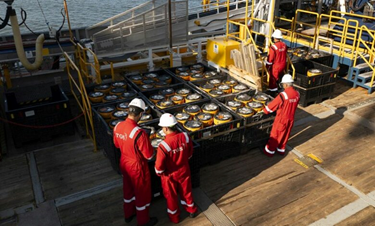
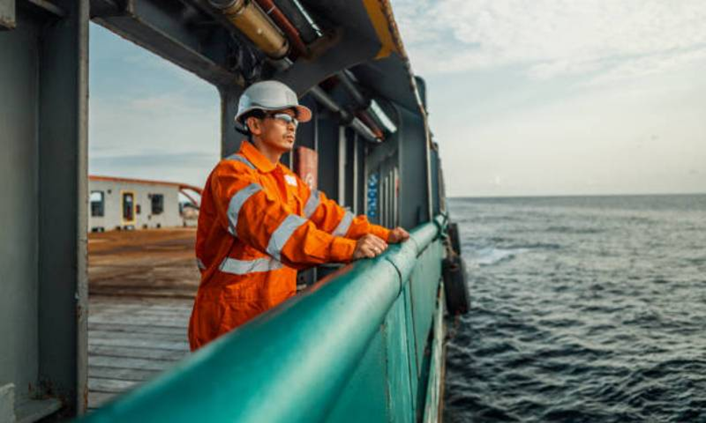
MoPSW also acknowledged the dedication and
professionalism of Indian seafarers, who form one of the largest and most
respected maritime workforces globally. Their efforts ensure the seamless
movement of goods across oceans, even in challenging conditions, reinforcing
India’s position as a reliable partner in global trade. As the nation celebrates National Maritime
Day, MoPSW reaffirmed its vision of building a future-ready, efficient, and
environmentally sustainable maritime ecosystem—one that continues to power
India’s growth, strengthen global trade linkages, and uphold the legacy of its
seafaring community.