




Office Address
123/A, Miranda City Likaoli Prikano, Dope
Phone Number
+0989 7876 9865 9
+(090) 8765 86543 85
Email Address
info@example.com
example.mail@hum.com


123/A, Miranda City Likaoli Prikano, Dope
+0989 7876 9865 9
+(090) 8765 86543 85
info@example.com
example.mail@hum.com
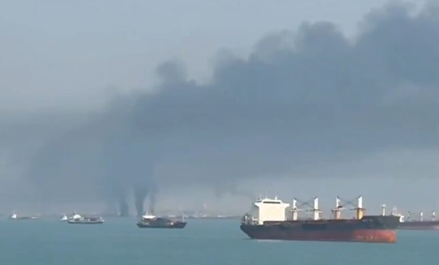
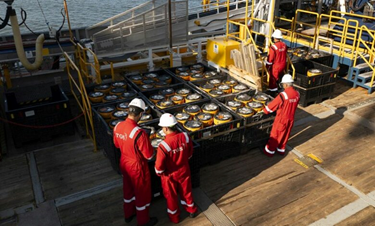
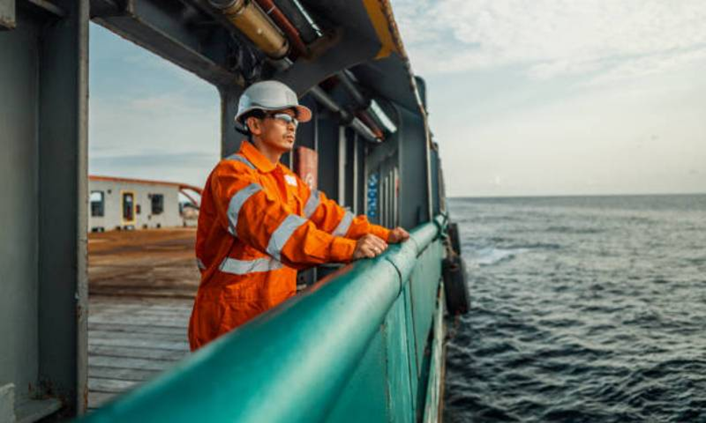
Some 20,000 seafarers have been caught up in the geographical cul-de-sac
that is the Persian Gulf since the US/Israeli coalition launched its war on
Iran on February 28. A similar
situation appeared when war broke out between Russia and Ukraine in early 2022,
albeit on a smaller scale. Merchant ships were suddenly trapped in Ukrainian
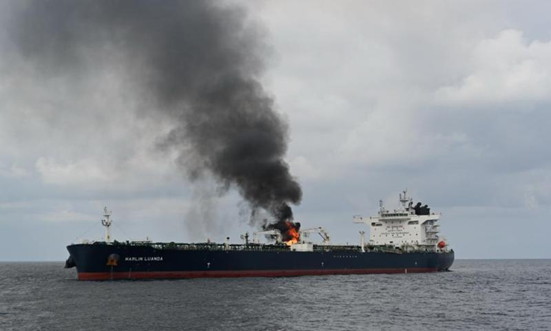
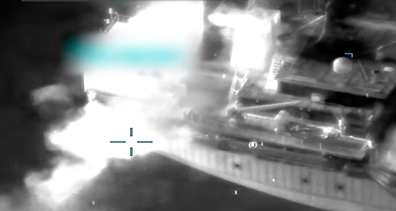
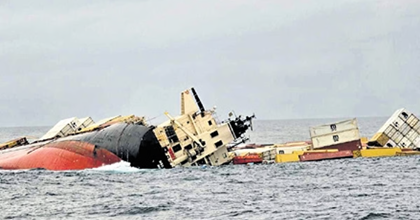
ports while missiles were falling around them. Since the beginning of the Persian Gulf conflict, there have been more
than 20 attacks on vessels in the strait, with 10 seafarers killed and eight
injured.
“There is no precedent for the stranding of so many
seafarers in the modern age,” Damien Chevallier, director of the International
Maritime Organization’s Maritime Safety Division, said in an in-house United Nations
interview.
“It is a very scary situation, and one can only
imagine the psychological stress they are under,” Chevallier said.
The IMO concluded an extraordinary session of its council last month in
London to address the Hormuz crisis. The session backed the creation of a
humanitarian corridor to evacuate the stranded vessels and seafarers, though
this has not been possible in the fortnight since the meeting concluded.
The corridor concept draws inevitable comparisons to the Black Sea Grain
Initiative, which carved out a protected shipping lane from Ukraine early in
the Russia-Ukraine war. That mechanism was widely regarded as effective in
addressing global food security pressures, though it relied heavily on UN and
Turkish guarantees. “If seafarers
do not feel safe due to conflicts like the one which is taking place now, then
it will be difficult to attract the next generation to meet what are expanding
needs,” Chevallier warned. The
International Chamber of Shipping (ICS) and the International Transport
Workers’ Federation (ITF) met representatives from Gulf States late last month
to address the ongoing conflict and its direct impact on seafarers and shipping
in the Gulf. Discussions focused on urgent, practical joint initiatives such as
resupplying vessels. Stephen Cotton,
general secretary of the ITF, said: “Seafarers are on the frontline of this
conflict, and right now too many are facing extremely difficult conditions. It
is essential that they have access to food, clean water, fuel and medical care.
These are not optional; they are fundamental rights. At the same time, no
seafarer should be expected to remain in a conflict zone against their will.”
The ITF has received more than 1,000
emails and messages from seafarers stuck around the Strait of Hormuz and the
wider region since the war erupted.
As it was forced to during the covid era, India’s Directorate General of
Shipping has just extended the validity of crew certificates by three months
for seafarers stuck in the region.
Writing for Splash last
month, Steven Jones, founder of the Seafarers Happiness Index, noted: “For all
the stupidity, fear, and frustration of the pandemic years, at least there was
a sense then that someone, somewhere, was trying to be benevolent, to save
lives. The restrictions were harsh, but their intent was humane. Now, crews
face violence without reason, danger without purpose, and blame without
justice. Conflict could well trump covid when it comes to destabilising the
balance of shipping.”