




Office Address
123/A, Miranda City Likaoli Prikano, Dope
Phone Number
+0989 7876 9865 9
+(090) 8765 86543 85
Email Address
info@example.com
example.mail@hum.com


123/A, Miranda City Likaoli Prikano, Dope
+0989 7876 9865 9
+(090) 8765 86543 85
info@example.com
example.mail@hum.com
In a letter addressed to the Directorate General of Shipping under
the Government of India, All
India Seafarer Union working President Mr. Abhijjet D Sangle said
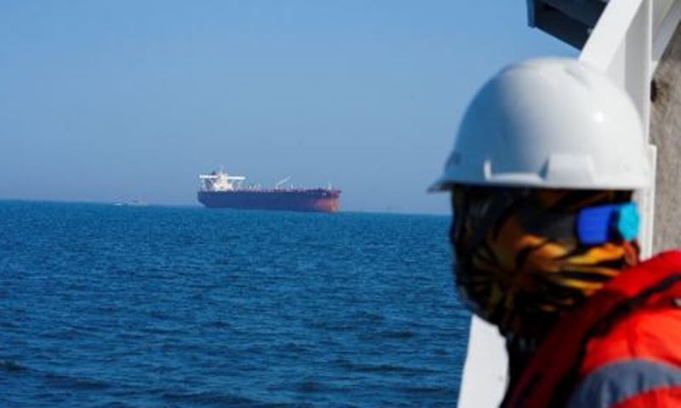
that the strategic waterway remains under restricted and controlled conditions,
marked by heightened military presence, limited navigational freedom, and
persistent risks to commercial vessels.
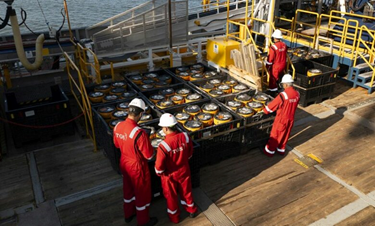
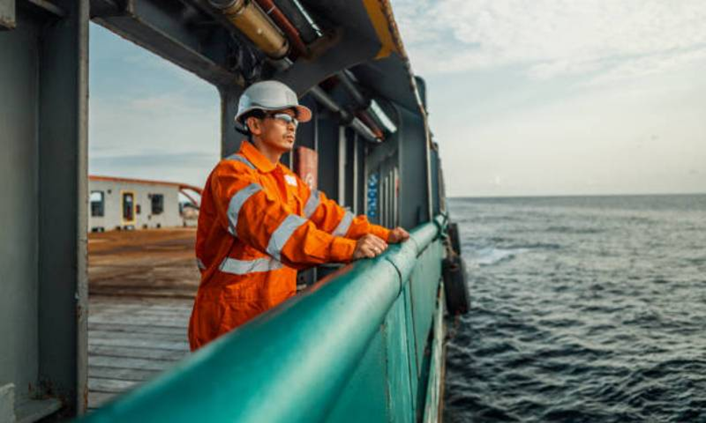
“Indian seafarers—who form a significant portion of
the global maritime workforce—are particularly vulnerable as many are currently
deployed on ships transiting or stationed in the Gulf region,” said Sangle.
While authorities
have indicated that the Strait remains open, maritime movement continues to be
tightly controlled, with heightened military presence, security clearances, and
ongoing geopolitical tensions, he said.
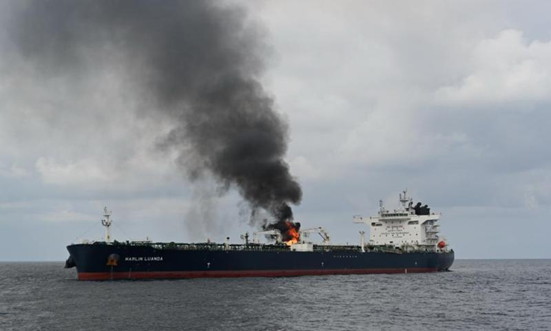
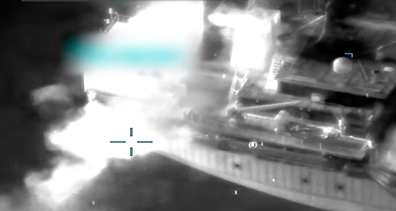
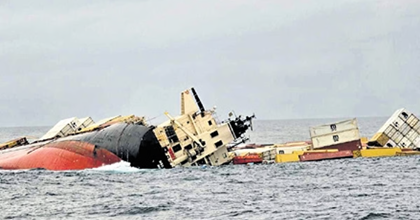
“Reports of attacks
on commercial vessels, the presence of sea mines, and restricted navigation
corridors underline the persistent risks faced by seafarers transiting this
region,” Mr. Sangle said.
According to Mr. Sangle, Indian seafarers who form a
significant portion of the global maritime workforce, are directly exposed to
these dangers.
“Many vessels with Indian crew members remain delayed,
rerouted, or anchored under uncertain conditions, raising serious concerns over
their safety, mental well-being, and contractual rights,” he said. The union
stressed that frequent incidents involving commercial vessels, coupled with
potential maritime hazards, have created an atmosphere of uncertainty and
danger. It noted that many Indian crew members are enduring extended periods
onboard under stressful and potentially life-threatening conditions. The union has further called for enhanced
diplomatic engagement by the Ministry of External Affairs with regional
authorities to secure safe passage for Indian-flagged and Indian-crewed
vessels. It recommended establishing contingency support mechanisms to respond
swiftly in case of emergencies, including evacuation if required.
Highlighting
welfare concerns, the union urged shipping companies to prioritise timely crew
changes, provide mental health support, and avoid prolonged anchoring of
vessels in high-risk zones.
It also proposed a
comprehensive war-risk compensation framework, including allowances, insurance
coverage, and compensation mechanisms for seafarers deployed in
conflict-affected waters.
Additionally, AISU called for stricter monitoring and
compliance measures to ensure that shipping companies adhere to international
maritime safety standards and Indian regulations, with accountability for
negligence.