

Office Address
123/A, Miranda City Likaoli Prikano, Dope
Phone Number
+0989 7876 9865 9
+(090) 8765 86543 85
Email Address
info@example.com
example.mail@hum.com


123/A, Miranda City Likaoli Prikano, Dope
+0989 7876 9865 9
+(090) 8765 86543 85
info@example.com
example.mail@hum.com
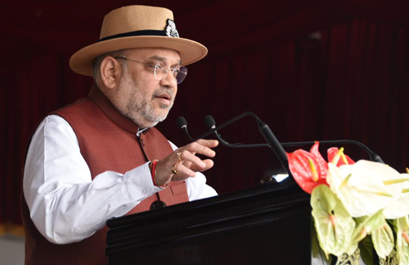
“The CISF undertakes such a variety of tasks. You are
securing the grand monument of Sardar Patel, you are protecting our Parliament
complex, the largest panchayat of our democracy, and elsewhere you are securing
dams and critical railway installations,” Shah said.
The home minister also detailed the strategic shift
toward maritime and aerial defence, saying that, along with these established
roles, the government has worked to include the security of ports for the CISF.
Shah announced that the CISF has been designated as
the nodal agency for drone security and said that the Ministry of Home Affairs
has decided to create a new vertical for this purpose.
Highlighting the
force’s growing footprint over the past year, Shah listed several new locations
approved for CISF protection, including the Kartavya Bhavan, Seva Teerth, Noida
International Airport, Navi Mumbai Airport, and various critical energy and
mining projects such as the Talaipalli coal mine project in Chhattisgarh. “After
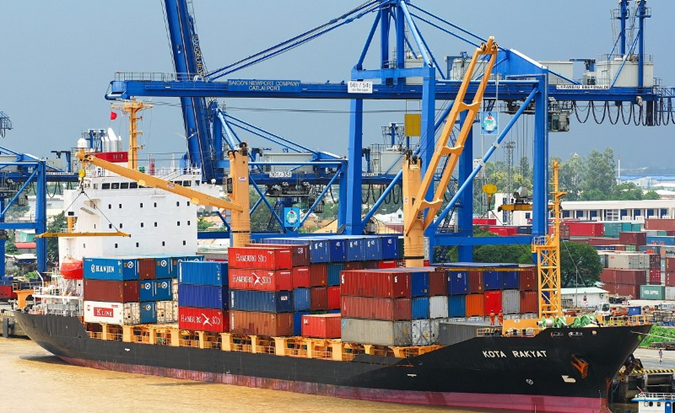
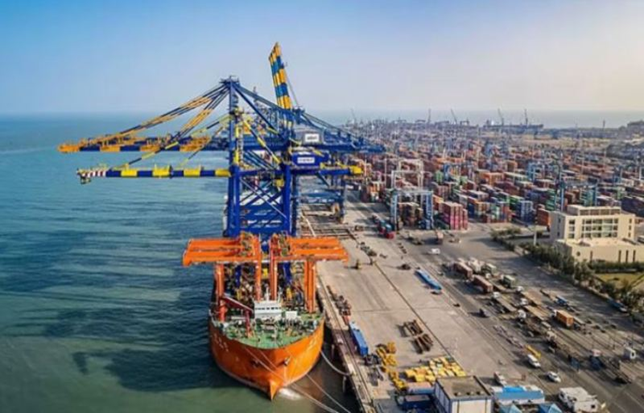
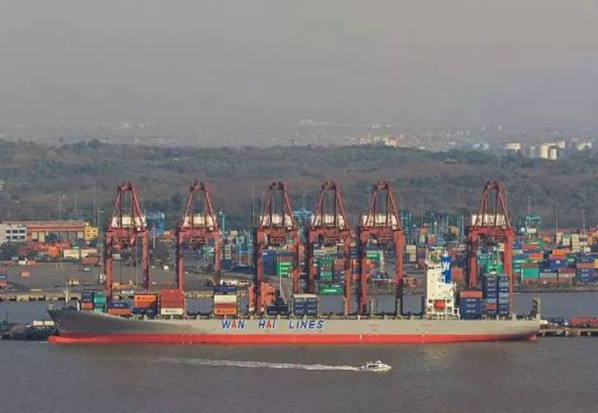
the CISF takes over the security of the ports, our maritime safety will improve
in tandem with the country’s economic growth,” Shah said. The announcement follows a decision by
the Centre to designate the CISF as a Recognised Security Organisation (RSO)
under the International Ship and Port Facility Security (ISPS) code, effectively
making it the new safety regulator for approximately 250 facilities along
India’s maritime borders.
This role was
previously managed by the Indian Register of Shipping, but the government
identified a need for a professional paramilitary agency to handle core
functions such as counter-terrorism and anti-sabotage operations at all
export-import ports. PTI NES ABS SKL ARI.