

Office Address
123/A, Miranda City Likaoli Prikano, Dope
Phone Number
+0989 7876 9865 9
+(090) 8765 86543 85
Email Address
info@example.com
example.mail@hum.com


123/A, Miranda City Likaoli Prikano, Dope
+0989 7876 9865 9
+(090) 8765 86543 85
info@example.com
example.mail@hum.com

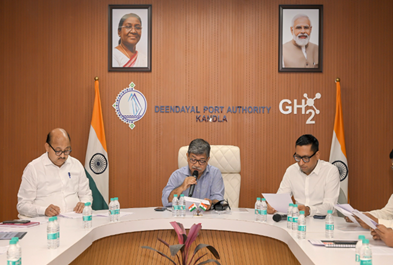
As part of the SoP that followed extensive
consultations with all stakeholders on Friday, (6 Mar) each port will appoint a
nodal officer at the level of head of department or deputy head of department,
who will be the single point of contact for addressing the issues coming up for
consideration at ports.
The nodal officer will be responsible for taking up
the matter with the competent authority and ensure that the action is taken
within 24-72 hours.
Also, as per the
SoP, port chairpersons should have periodical meetings with stakeholders such
as shipping lines, exporters, terminal operators, customs, among others to
closely monitor the situation and ascertain and address legitimate concerns.
The ministry also said that the port may consider
various facilitation measures such as considering requests from users regarding
reduction, waiver or remission of storage rent and change of vessel charge,
among others on a case-to-case basis, depending on the prevailing circumstances
at the port. It said the port may
also consider permitting the storage of cargo destined for the Middle East as
transshipment cargo during the affected period besides allotting additional
storage area, if required, for storing such cargo during the crisis.
Ports may also
consider facilitating berthing of ad-hoc call vessels for dropping or picking
Middle East bound transhipment cargo and expeditiously facilitating ‘Back to
Town’ movement of export cargo lying in port premises in co-ordination with
Customs, it said.
Besides, ports may
provide priority handling for perishable cargo to prevent deterioration and
give priority to export cargo returning from the Middle East, in addition to
facilitating additional bunkering capacity, wherever feasible, to meet
potential demand, the ministry said.
Ports have been directed to coordinate closely with
agencies such as Customs, DGFT and other relevant authorities to ensure
implementation of these measures within the stipulated timelines, it stated.