




Office Address
123/A, Miranda City Likaoli Prikano, Dope
Phone Number
+0989 7876 9865 9
+(090) 8765 86543 85
Email Address
info@example.com
example.mail@hum.com


123/A, Miranda City Likaoli Prikano, Dope
+0989 7876 9865 9
+(090) 8765 86543 85
info@example.com
example.mail@hum.com
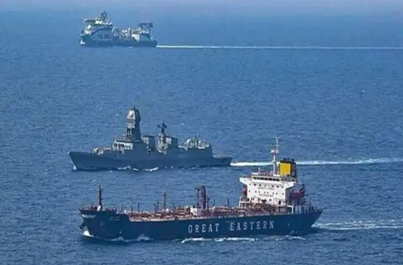
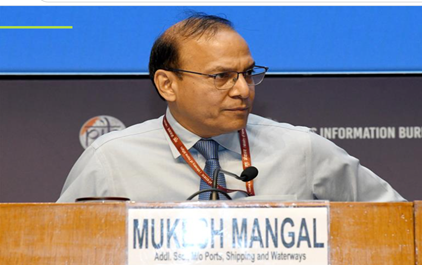
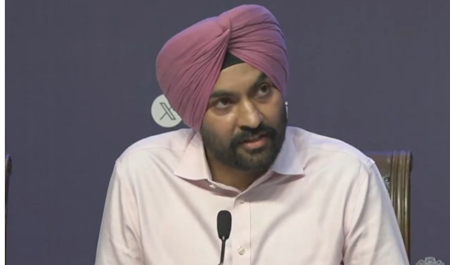
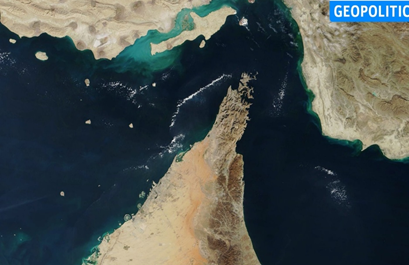
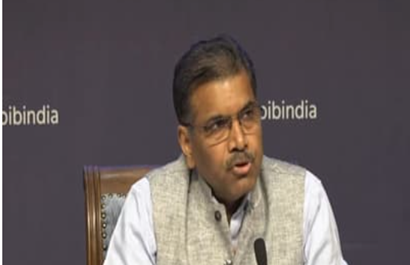
“On the eastern side of the Strait of Hormuz, in the
Gulf of Oman, there were four Indian-flagged vessels yesterday, but one oil
tanker — Jal Prakash — has moved out, so three Indian-flagged vessels remain in
that area now, with 76 Indian seafarers on board,” he said during an
inter-ministerial meeting today.
Sinha also provided an update on Indian ships in the
nearby Persian Gulf. “On the western side of the Strait of Hormuz, in the
Persian Gulf, there are currently 24 Indian-flagged vessels. The number was the
same yesterday and remains the same today. A total of 677 Indian seafarers are
onboard these vessels,” he said.
Apart from these vessels, Sinha said around 23,000 Indian seafarers are
working across the Gulf region on merchant ships, offshore vessels and other
maritime operations. “The Directorate General of Shipping is in constant
contact with them,” he said.
Communication with seafarers is being maintained “through their engagement
agencies known as Recruitment and Placement Service Licenses (RPSL), through
Indian missions in those countries, and through other stakeholders,” Sinha
said.
The DG Shipping had also issued an advisory on March 4
in this regard. There are around 7.5 lakh Indian seafarers overall, and the
Directorate General of Shipping sent a communication to all of them updating
the contact details of its 24/7 helpline, he said. Since February 28, he said, DG Shipping’s
24/7 control room, known as the DG Communication Centre, has received around
2,425 calls and approximately 4,500 emails. These communications have come from
seafarers, their family members, and other stakeholders. Sinha said DG Shipping has also been
facilitating returns for those whose terms of employment have ended. “The DG Shipping has also successfully
facilitated the return of around 200-225 Indian nationals who were working in
the Gulf region and whose employment terms had ended and who had signed off
from ships. This was done in close coordination with Indian embassies,” he
said.
“All Indian vessels and Indian seafarers are under active monitoring to
ensure their safety and security,” Sinha added.
Sinha reiterated key points from the DG Shipping advisories.”Seafarers should
contact the DG Shipping communication centre through the helpline or email in
case of any requirement. They should follow safety instructions and comply with
directives issued by local authorities or Indian missions abroad. All
Indian-flagged ships should conduct ship-shore security drills. Seafarers
should also regularly monitor advisories or updates issued by DG Shipping or
the Ministry of External Affairs,” he said.
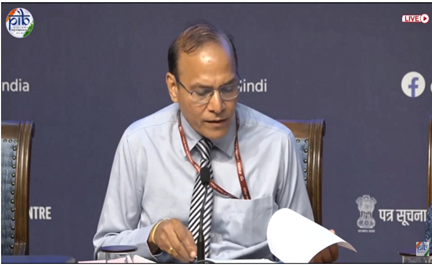
On port operations in India,
Sinha said, “Port operations across India remain stable. Standard Operating
Procedures have been issued for all major and non-major ports so that they
maintain coordination with shipping lines and exporters. Any grievances from
stakeholders should be addressed within a time-bound framework.” He added that “each major port has also
designated a single point of contact, and this information has been
communicated to stakeholders. LPG carrier vessels are being given priority berthing
at major ports. Ports have also implemented facilitation measures such as
allowing storage of Middle East-bound cargo affected by the situation…
providing ad-hoc vessel berthing… prioritising handling of perishable and
returning export cargo… expediting back-to-town movement in coordination with
customs, and enhancing bunkering support wherever feasible.”
Sinha expressed regret over casualties in the ongoing
Gulf crisis
The conflict in the region escalated following the killing of
86-year-old Iran’s Supreme Leader, Ayatollah Ali Khamenei, in joint military
strikes by the US and Israel on February 28, after which Iran, in its
retaliation, targeted Israeli and US assets in several Gulf countries and
Israel, causing disruption in the waterway and affecting international energy
markets and global economic stability.