




Office Address
123/A, Miranda City Likaoli Prikano, Dope
Phone Number
+0989 7876 9865 9
+(090) 8765 86543 85
Email Address
info@example.com
example.mail@hum.com


123/A, Miranda City Likaoli Prikano, Dope
+0989 7876 9865 9
+(090) 8765 86543 85
info@example.com
example.mail@hum.com

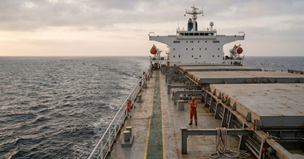
The union said Indian seafarers aboard merchant
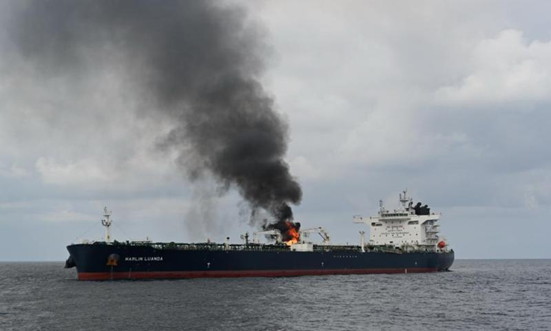
vessels are increasingly exposed to missile and drone threats, operational
restrictions, security alerts and mounting psychological stress as tensions
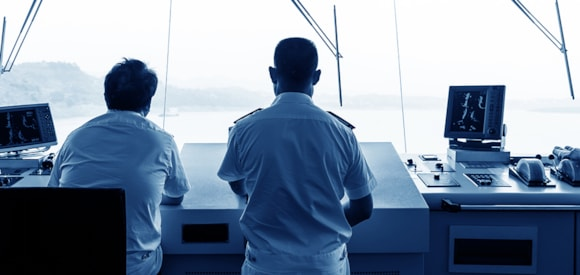
intensify in the region. While the Strait of Hormuz remains technically open,
voyages through the strategic shipping corridor have become high-risk
operations marked by constant anxiety, disrupted sleep and heightened bridge
surveillance.
Milind
Kandalgaonkar, General Secretary-cum-Treasurer of NUSI, said the union is
receiving continuous calls from distressed families seeking updates on the
safety of crew members deployed in the conflict-prone waters. He noted that
many Indian sailors are employed on foreign-flagged vessels, where
accountability is often divided among shipowners, insurers, flag states and
local authorities, complicating emergency response and repatriation efforts. “Merchant navy personnel are civilian workers
who continue to keep global trade moving despite limited protection,”
Kandalgaonkar said, highlighting the complex risks posed by missiles, drones,
cyber disruptions, sanctions and insurance-related complications. To support affected crews, NUSI has
activated its emergency assistance initiative, ‘NUSI Sahara’, which is handling
distress cases related to safety, mental health, wage disputes, abandonment and
repatriation.
Meanwhile, India
has enhanced naval presence in the region under Operation Urja Suraksha to
monitor and safeguard Indian maritime interests in high-risk waters.