



Carrying World Trade, Carrying the Risks : Seafarer Welfare Must Move From Appreciation to Protection - An Article by Priyatham Sanjeeva Reddy Ramidi
Every year, the maritime
community thanks seafarers for keeping world trade moving. In 2026, the
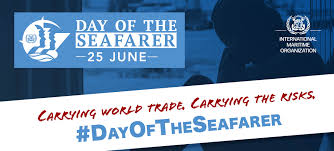
International Maritime Organization has chosen a more uncomfortable message for
the Day of the Seafarer: “Carrying world trade. Carrying the risks.”
The theme is timely.
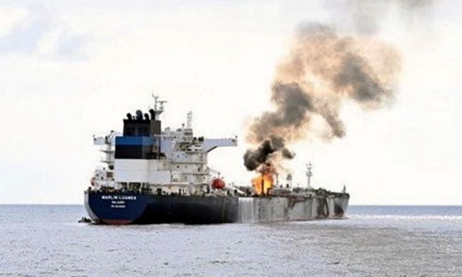
Seafarers do not only carry cargo. They absorb risks created by geopolitical
conflict, commercial pressure, long contracts, disrupted crew changes and
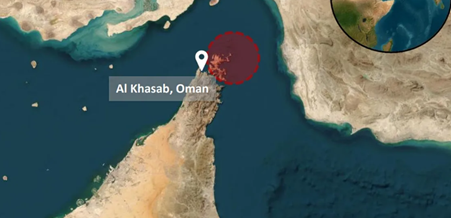
decisions made far from the ship. They may sail through areas affected by
military tension without having any influence over the political events around
them. They may face uncertainty over port access, repatriation and family
contact while the cargo continues to move.
From Appreciation to Practical Protection
Appreciation has value, but
appreciation alone does not protect anyone. The industry now needs to convert
recognition into practical safeguards.
Clear Information Before Exposure
The first requirement is
honest risk communication. Before joining a vessel or entering a high-risk
area, seafarers should receive clear information about the route, security
situation, insurance arrangements, additional compensation, communications plan
and procedures for refusal or repatriation. A generic security circular is not
enough. Crew members need information they can understand and use.
The second requirement is
genuine consultation. Ships may be rerouted or instructed to continue trading
as conditions change. The people exposed to those conditions should not be the
last to know. Masters and crew need a defined channel for raising concerns
without fear that doing so will damage their careers.
To view full article click news extension
Related News