Strait of Hormuz: IMO Secretary-General updates IMO Council on evacuation plan, insurance costs and impacts on seafarers
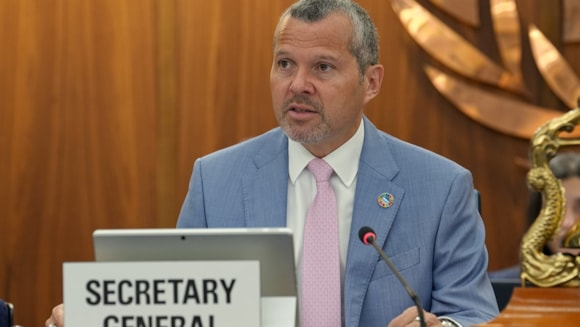
IMO Secretary-General Arsenio Dominguez delivered the following statement to the IMO Council (8 July) to update members on the situation facing shipping and seafarers in and around the Strait of Hormuz. |
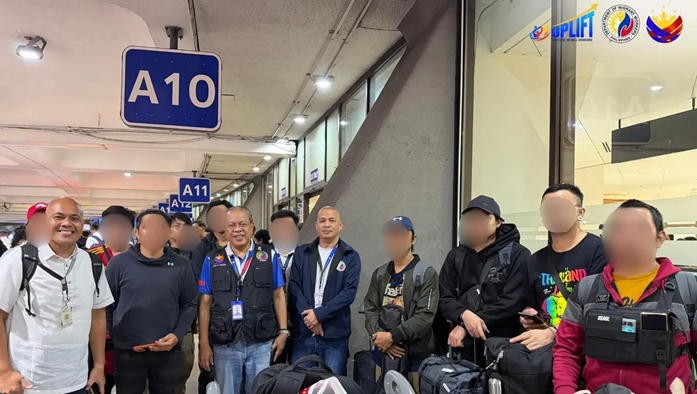
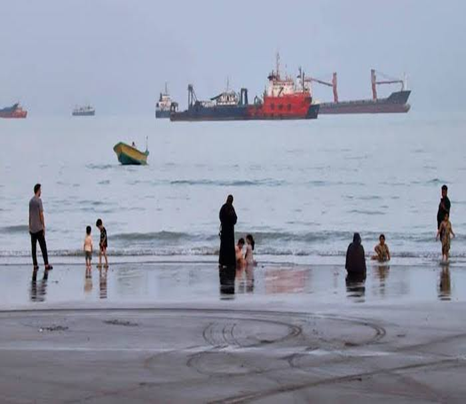
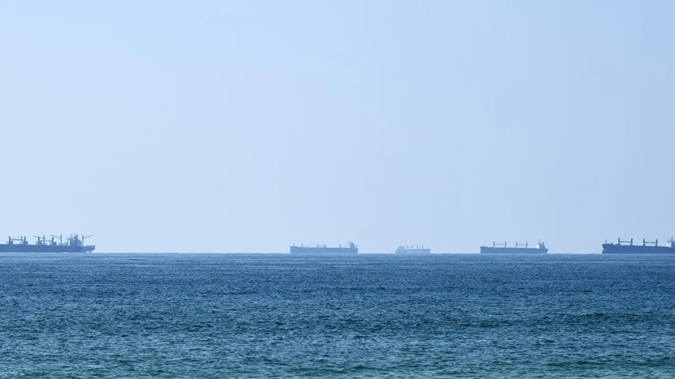
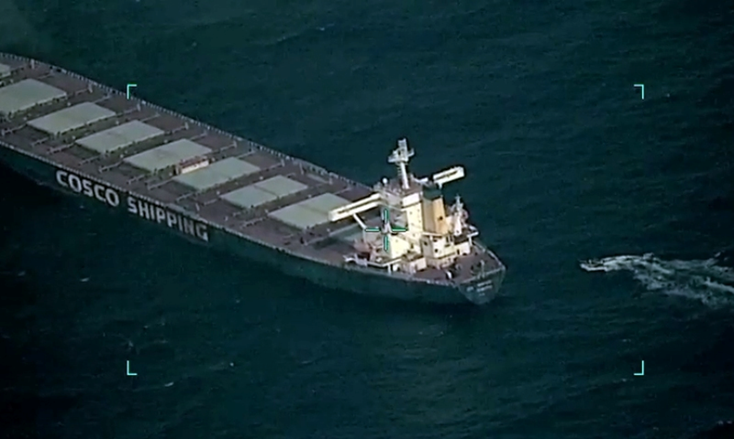
The following is an extract of the Secretary-General's statement under Agenda Item 16 on 'Protecting Vital Shipping Lanes'. The IMO Council meets for its 137th session from 6 to 10 July 2026 at IMO headquarters in London, United Kingdom. Update on evacuation plan and decisions of Council's 36th extraordinary session ""Within the time of operation of the evacuation framework 136 vessels with a total of 2,900 seafarers were successfully evacuated through two alternative routes as the existing Traffic Separation Scheme could not be used due to security risks, specifically, the existence of sea mines. As you will be aware, this process has since been paused, as the safety of vessels and seafarers could no longer be assured. Approximately 6000 seafarers remain trapped in the region. I am still seeking guarantees that vessels can evacuate the Strait of Hormuz using either of the alternative routes provided without the risk of threats of attack. I remain hopeful that the evacuation plan can be resumed, and the Secretariat continues to work with all parties concerned towards that end, so the thousands of affected seafarers can return to safety and normal trading conditions can begin to be restored in the area. Another matter of great concern is the continued high cost of maritime insurance in the region, which is itself compounding the strain on shipowners and operators. This tells us that market pricing is not adjusting as conditions improve, governments with influence over the insurance and reinsurance markets have a role to play in engaging with insurers to ensure premiums reflect current realities, rather than continuing to reflect the peak of the crisis. It does not help the reduction on the cost of freight, and it affects, in particular, countries in those regions which have already suffered the consequences of these conflicts and are in need of assistance and the resumption of maritime trade. |
Related News