




Office Address
123/A, Miranda City Likaoli Prikano, Dope
Phone Number
+0989 7876 9865 9
+(090) 8765 86543 85
Email Address
info@example.com
example.mail@hum.com


123/A, Miranda City Likaoli Prikano, Dope
+0989 7876 9865 9
+(090) 8765 86543 85
info@example.com
example.mail@hum.com
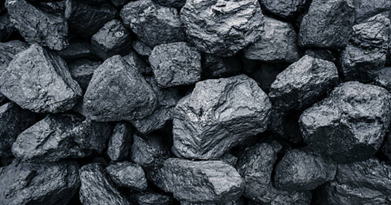
As India targets 300 million
tonnes per annum of crude steel capacity by 2030, approximately 64 per cent of
the 382 MTPA capacity under development relies on coal-intensive blast furnace
technology. At an average requirement of 770 kilograms of metallurgical coal
per tonne of steel, the planned blast furnace capacity alone could require an
additional 140 MTPA of coal, nearly doubling current supply levels. India’s
steel sector currently imports 90 per cent of its metallurgical coal
requirements, as domestic coking coal contains high ash and sulphur content
unsuitable for steelmaking. Metallurgical coal imports rose 9.4 per cent
year-on-year in 2025 to over 83.1 million tonnes, and are projected to reach
149 million tonnes by 2035 from about 94 million tonnes in 2026, according to
S&P Global estimates.
Coking
coal demand is expected to increase sharply from 87 million tonnes in FY25 to
135 million tonnes by 2030, driven by steel industry expansion under the
National Steel Policy. The blast furnace-basic oxygen furnace route accounts
for approximately 65 per cent of installed capacity and consumes 95 per cent of
India’s total coking coal demand.
Industry experts suggest that
India’s abundant renewable energy resources provide a foundation for domestic
green hydrogen and green steel production, where hydrogen replaces coking coal
in iron-making, potentially helping the country avoid the trillion-dollar
import burden. However, despite diversification efforts, analysts warn that
India remains exposed to global price shocks, climate disruptions, and freight
constraints even with growing US and alternative supplies.