




Office Address
123/A, Miranda City Likaoli Prikano, Dope
Phone Number
+0989 7876 9865 9
+(090) 8765 86543 85
Email Address
info@example.com
example.mail@hum.com


123/A, Miranda City Likaoli Prikano, Dope
+0989 7876 9865 9
+(090) 8765 86543 85
info@example.com
example.mail@hum.com
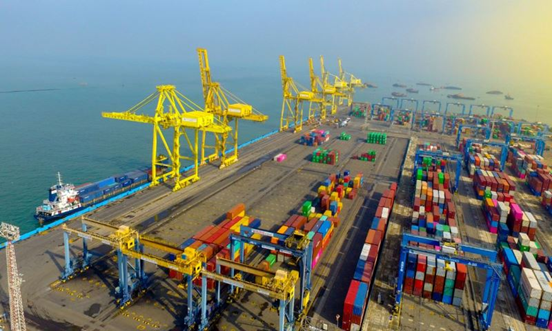
Industry sources
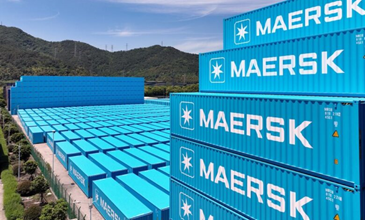
said the ongoing instability in the region has impacted vessel schedules,
container availability and transit times, particularly on routes connected to
the Red Sea, Gulf region and Suez Canal. Shipping lines have increasingly
diverted vessels through longer alternative routes to avoid high-risk zones,
resulting in higher operational costs and delays in cargo movement. The slowdown has affected a wide range of
commodities, including engineering goods, chemicals, petroleum products, textiles,
agricultural exports and consumer merchandise. Exporters and importers are also
facing increased freight costs, insurance premiums and longer delivery cycles
due to the volatile operating environment.
Major Indian gateways such as Jawaharlal Nehru Port,
Mundra Port and other container hubs have witnessed fluctuations in cargo
handling as shipping schedules remain uncertain. Logistics companies noted that
disruptions in feeder services and vessel rotations have added pressure on port
and inland supply chain operations. Trade and logistics experts warned that
prolonged tensions in West Asia could continue to weigh on India’s maritime
trade performance and export competitiveness. They stressed the need for
diversified shipping routes, stronger logistics resilience and closer
coordination between ports, shipping lines and cargo stakeholders to minimise
the impact of external disruptions on trade flows.