



Railways Eyes Major Freight Gains Through Dedicated Fly Ash Transport Network
Industry experts believe the initiative could
transform the movement of fly ash across the country by shifting large volumes
away from road transport and enabling more efficient utilisation of material
generated by coal-fired power plants.
India produces
nearly 340 million tonnes of fly ash annually from thermal power stations.
Although a substantial share is consumed by cement manufacturers, brick makers,
infrastructure developers and mining operations, a considerable quantity
remains underutilised or is transported over long distances by trucks, adding
to logistics costs and environmental concerns. To address these challenges,
Indian Railways has unveiled plans for a green logistics programme focused on
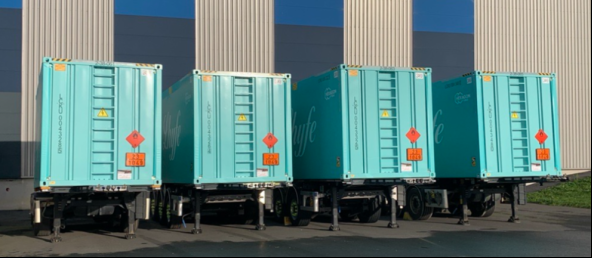
developing specialised containers and dedicated rail corridors for fly ash
movement. The proposed network aims to connect major generation centres with
industrial consumption hubs, improving the efficiency and reliability of transportation
while reducing pressure on road infrastructure. According to industry stakeholders, the
availability of dedicated rail services could significantly enhance the
commercial viability of fly ash utilisation projects, particularly in regions
where demand exists but transportation costs have historically limited
adoption. The initiative is also
expected to contribute to sustainability goals by lowering carbon emissions
associated with road haulage and promoting greater recycling of industrial by-products.
Increased fly ash utilisation supports the circular economy by reducing the
need for landfill disposal while providing a cost-effective raw material for
construction and infrastructure projects.
For Indian Railways, the move presents an opportunity
to generate additional freight revenue from a commodity with substantial annual
volumes and growing industrial demand. Freight transportation remains a
critical source of railway earnings, and the development of specialised
logistics solutions for bulk industrial materials aligns with the network’s
broader strategy of attracting cargo currently moving by road. Industry
observers note that the success of the programme will depend on the
availability of suitable loading infrastructure at thermal power plants,
efficient handling systems at destination points and competitive freight
pricing. However, if implemented effectively, the initiative could create a
nationwide logistics ecosystem that benefits power producers, industrial
consumers and the rail sector alike.
As India continues to expand infrastructure development and construction
activity, demand for fly ash-based products is expected to rise, potentially
making dedicated rail transportation an important component of the country’s
industrial supply chain.
Related News