




Office Address
123/A, Miranda City Likaoli Prikano, Dope
Phone Number
+0989 7876 9865 9
+(090) 8765 86543 85
Email Address
info@example.com
example.mail@hum.com


123/A, Miranda City Likaoli Prikano, Dope
+0989 7876 9865 9
+(090) 8765 86543 85
info@example.com
example.mail@hum.com
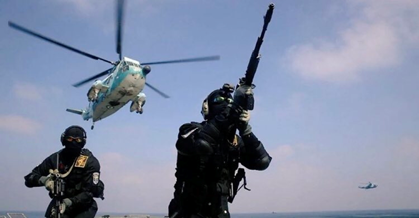
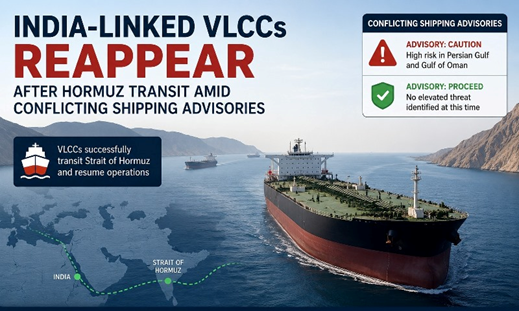
The uncertainty is
creating a growing disconnect between political declarations and operational
reality, with vessel movements remaining a fraction of normal levels despite
claims from Washington that maritime traffic is flowing. US Central Command said 55 merchant ships
transited the strait on Saturday,(20
June) carrying more than 17m barrels of oil and other cargoes. Iran,
meanwhile, maintained that the waterway had been closed again by the Islamic
Revolutionary Guard Corps in response to what Tehran described as violations of
the interim peace agreement by the United States and Israel. For shipowners, the practical picture
remains far murkier.
Before hostilities erupted on February 28, between
130 and 160 vessels passed through Hormuz daily. Following Iran’s initial
closure declaration, traffic reportedly fell to around six ships a day. After
last week’s US-Iran memorandum of understanding and 60-day ceasefire, transits
recovered modestly, reaching around 25 vessels on Thursday.
However, vessel-tracking data from Kpler showed only five ships passed through the strait on Sunday, down sharply from 26 a day earlier.
Adding to the uncertainty, Iran’s Persian Gulf Strait Authority has issued guidance requiring vessels to obtain passage permits before transiting. A memo from the authority stated that “no vessel is permitted to pass through the Strait of Hormuz without a valid passage permit”. Reports circulating among shipowners have also referred to warning shots being fired and continuing restrictions on vessel movements.
The mine threat remains a major concern with any
mine clearing operation expected to take up to two months to
complete. In related news, on Friday Lloyd’s welcomed the launch of a new marine
war risk insurance consortium led by Chubb that will provide up to $400m in
cover for vessels and cargo transiting the Strait of Hormuz.