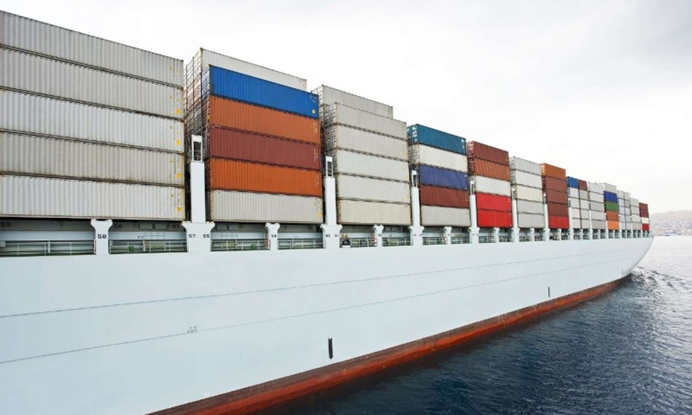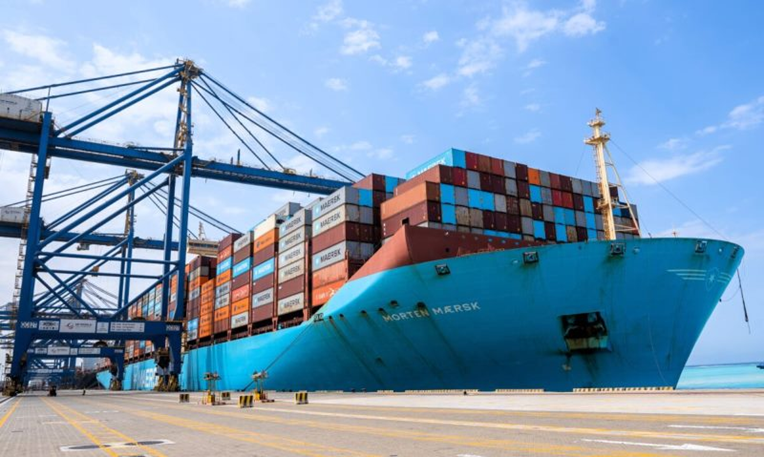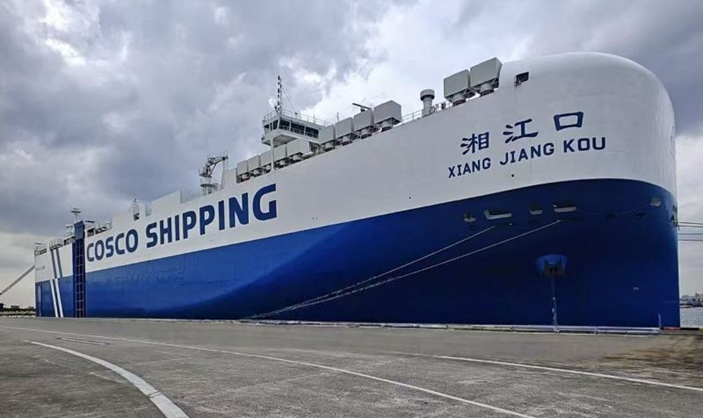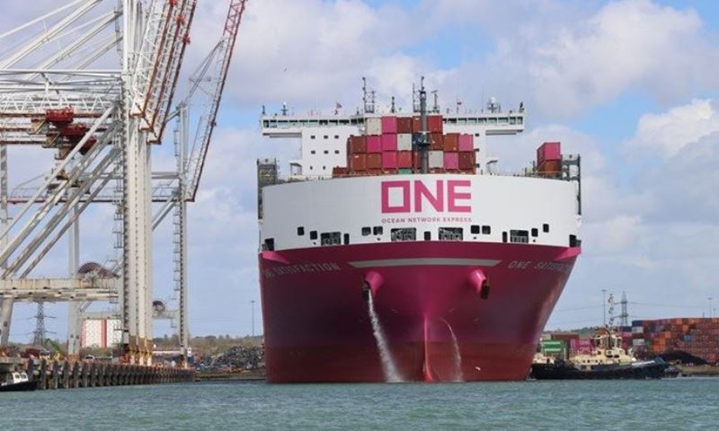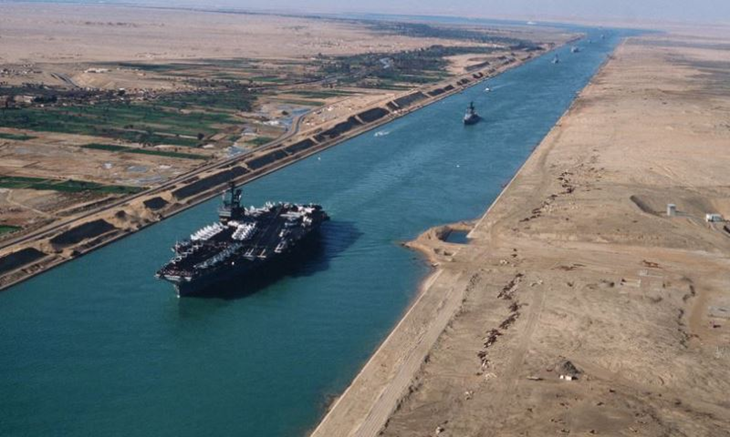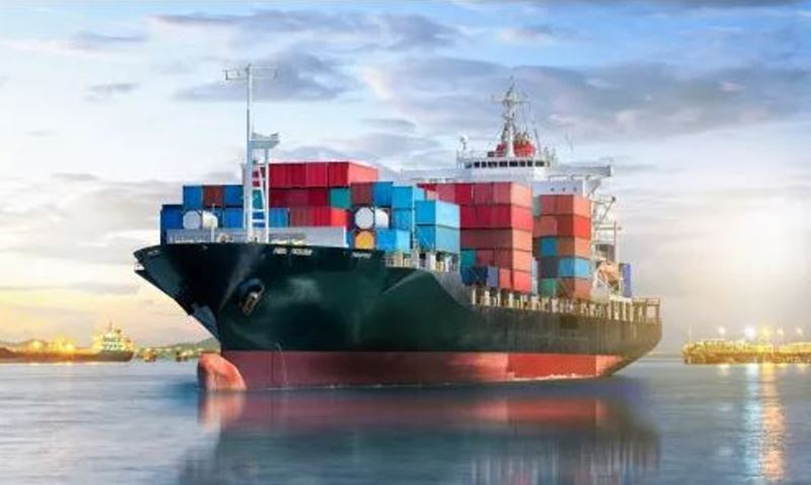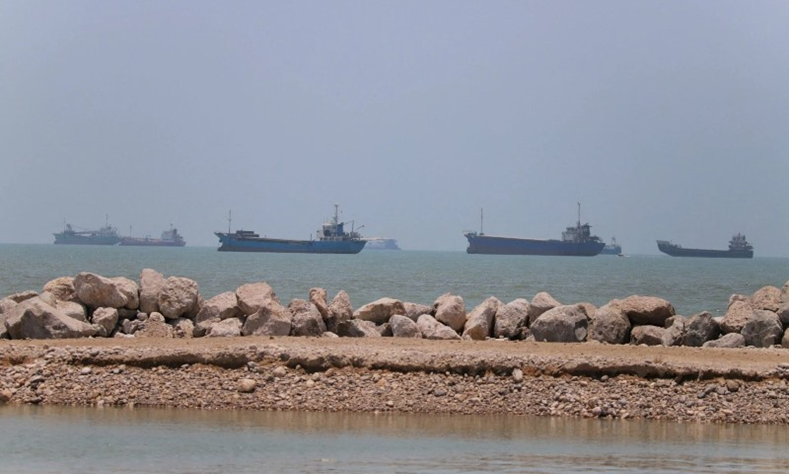
Four Fertiliser Cargo Vessels Bound for India after Safe Strait of Hormuz Transit
According to the Ministry of Chemicals and
Fertilisers, the vessels are destined for Krishnapatnam, Kakinada, Paradeep and
Mundra, where the cargoes will be discharged to strengthen buffer stocks and
support ongoing agricultural demand.
The ministry said
domestic fertiliser production has reached 133.12 lakh tonnes since March 1,
while imports totalled 43.69 lakh tonnes during the same period. In addition,
India has secured 17.70 lakh tonnes of urea through its latest global
procurement tender, taking total contracted supplies of urea and phosphatic and
potassic (P&K) fertilisers for the Kharif season to more than 90 lakh
tonnes. Urea imports have been sourced from Oman, Malaysia, Vietnam, Georgia,
Nigeria, Russia, Finland, Egypt, Algeria, Turkey and the Netherlands. Supplies
of DAP and NPK fertilisers are being routed via the Red Sea from Russia,
Morocco, Egypt, the United States, Jordan, South Korea, Tunisia and Saudi
Arabia. Fertiliser inventories remain significantly higher than a year ago. As
of June 22, cumulative stocks stood at 196.08 lakh tonnes, compared with 168.67
lakh tonnes during the corresponding period in 2025. Urea stocks increased to
81.44 lakh tonnes from 69.21 lakh tonnes, while DAP inventories rose to 20.92
lakh tonnes from 16 lakh tonnes. NPK stocks reached 55.91 lakh tonnes, up from
46.13 lakh tonnes a year earlier.
Muriate of Potash (MoP) inventories climbed to 12.68
lakh tonnes from 10.68 lakh tonnes, while Single Super Phosphate (SSP) stocks
eased marginally to 25.13 lakh tonnes from 26.65 lakh tonnes. Total fertiliser
sales since March 1 stood at 153.4 lakh tonnes, surpassing the 140.2 lakh
tonnes recorded during the same period last year. Sales included 79.1 lakh
tonnes of urea, 34.8 lakh tonnes of NPK fertilisers and 19.8 lakh tonnes of
DAP. The ministry said it continues to coordinate closely with state
governments, distribution agencies and cooperative networks to ensure
uninterrupted fertiliser availability and maintain supply stability across the
country.

Related News