




Office Address
123/A, Miranda City Likaoli Prikano, Dope
Phone Number
+0989 7876 9865 9
+(090) 8765 86543 85
Email Address
info@example.com
example.mail@hum.com


123/A, Miranda City Likaoli Prikano, Dope
+0989 7876 9865 9
+(090) 8765 86543 85
info@example.com
example.mail@hum.com
For
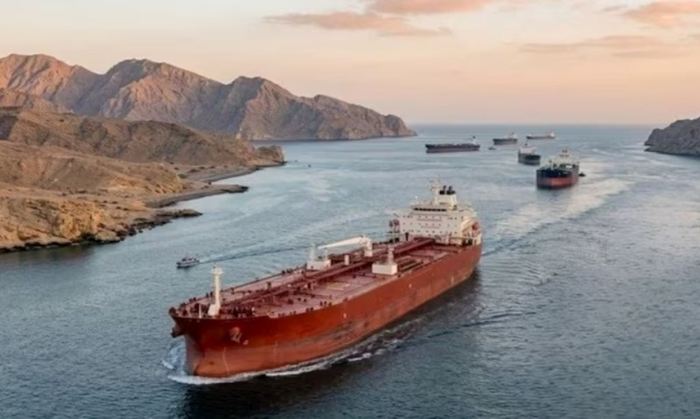
one large crude oil tanker of around 2 million barrels capacity on the Persian
Gulf–India route, shipbrokers say the freight has been fixed at close to nine
times the standard benchmark.
This record booking underlines that, although security risks have reduced,
operational normalcy has yet to return for energy shipping through the area.
The current pricing stress is
rooted in the confrontation involving the US, Israel, and Iran that began on 28
February 2026.
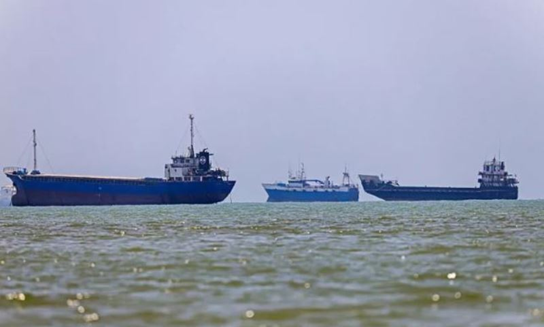
Hostilities triggered a collapse in ship movements through the Strait of
Hormuz, the narrow passage through which about 20 percent of global oil
supplies transit, with traffic dropping by roughly 92 percent at one
stage. At the peak of the crisis, daily
shipping rates climbed as high as about US$423,736 per day, while insurance
providers, spooked by the heightened risk, temporarily stopped offering cover
for vessels operating in the zone.
This
combination of skyrocketing freight and withdrawn insurance severely disrupted
normal trading patterns and forced many ships to withdraw from Gulf
routes. Following the US–Iran
understanding in June 2026, oil companies sought to resume imports from the
Gulf region, only to confront a deficit of available ships.
During the months of tension, numerous
tankers had shifted away from the area, and their return has been slower than
anticipated, leaving a gap between cargo demand and tonnage supply.
Within a week of de‑escalation,
only 65 empty vessels were able to position in the Gulf of Oman, and about 25
of these were reported to belong to a single operator, Sinocor.
With demand for liftings now exceeding the pool of available ships, buyers are
being forced to accept sharply higher freight levels to secure tonnage. One of the striking features of the
current situation is that freight costs have surged while global crude
benchmarks have actually softened.
Brent crude prices have declined to around US$73 per barrel, but this
fall has not translated into immediate relief for India due to the tanker
shortage and inflated shipping rates.
India’s
state‑owned oil companies were estimated to be losing nearly ₹650 crore per day
at the height of the crisis, and elevated logistics costs continue to weigh on
them as long as vessel supply remains tight.