




Office Address
123/A, Miranda City Likaoli Prikano, Dope
Phone Number
+0989 7876 9865 9
+(090) 8765 86543 85
Email Address
info@example.com
example.mail@hum.com


123/A, Miranda City Likaoli Prikano, Dope
+0989 7876 9865 9
+(090) 8765 86543 85
info@example.com
example.mail@hum.com
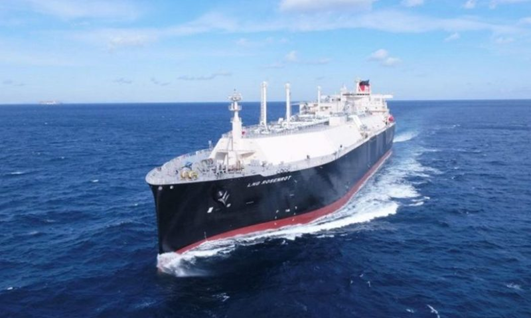
According to shipping sources, seven of the nine
vessels are carrying cargo destined for India. This takes the total number of
India-bound ships that have safely crossed the Strait of Hormuz to 44 since the
onset of the current US-Israel-Iran conflict on February 28. Of the nine recent transits, four vessels
are India-flagged while five sail under foreign flags. Additionally, 15 ships
of Indian interest remain in the Persian Gulf awaiting a safe opportunity to
transit the strait. These include 10 India-flagged vessels, of which four are
carrying fertilisers and one is transporting energy cargo. Among the latest
transits, the India-flagged bulk carrier APJ Priti 2, carrying approximately 65,000 tonnes of fertilisers, crossed the Strait of Hormuz on
Saturday. A day earlier, the crude oil tanker Desh Suraksha, loaded with over 100,000 tonnes of crude oil, and Prabhu Parvati, carrying 18,732
tonnes of cargo, also completed safe passage through the strategic
chokepoint. The movement comes
even as tensions in the region escalated following US military strikes against
Iran after an alleged attack on a commercial vessel in the Strait of Hormuz
earlier this week. Iran has since responded with retaliatory actions, raising
fresh concerns over the security of one of the world’s busiest energy and trade
corridors. Shipping data indicates a notable increase in vessel movements since
diplomatic engagement resumed between Iran and the United States. While only 19
India-bound transits were recorded between March 1 and June 17, the number has
risen sharply, with 25 ships crossing the strait in the ten days following the
signing of a memorandum of understanding (MoU) between the two countries on
June 17. Of the 44 India-bound vessels
that have transited the Strait of Hormuz since March 1, 15 are bulk carriers, 13
are LPG carriers, 11 are crude
oil tankers, and two are LNG
carriers, underscoring the continued importance of the route for India’s
energy security and essential commodity imports.
The Strait of Hormuz remains one of the world’s most
critical maritime chokepoints, handling a significant share of global crude
oil, LNG and bulk commodity shipments, making its uninterrupted operation vital
for international trade and India’s supply chain resilience.