




Office Address
123/A, Miranda City Likaoli Prikano, Dope
Phone Number
+0989 7876 9865 9
+(090) 8765 86543 85
Email Address
info@example.com
example.mail@hum.com


123/A, Miranda City Likaoli Prikano, Dope
+0989 7876 9865 9
+(090) 8765 86543 85
info@example.com
example.mail@hum.com
The strikes targeted Iranian missile and drone
storage facilities and radar sites, U.S. Central Command said
in a statement posted to social media, calling it a
"powerful response" to Iran's "dangerous behavior."
"The unwarranted aggression against commercial shipping by Iranian forces
clearly violated the ceasefire," CENTCOM said. A U.S. official told CBS News that American
aircraft hit multiple targets along the Strait of Hormuz and on Iran's Qeshm
Island. The strikes are now over, the official said.
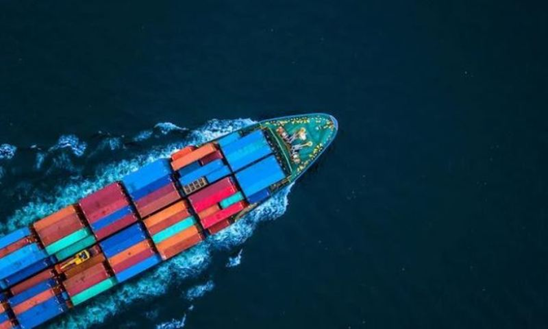
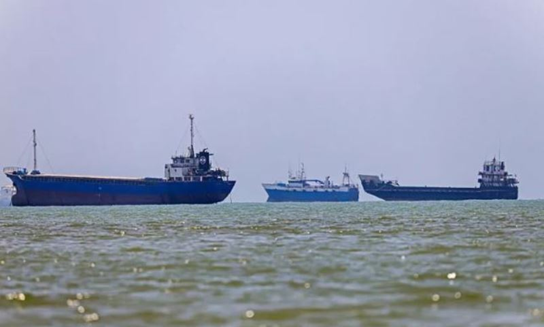
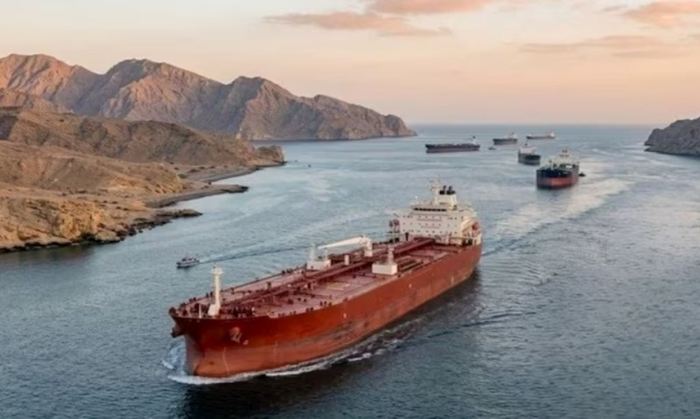
One day earlier, Iran's Islamic Revolutionary Guard Corps struck a Singapore-flagged cargo ship, a U.S.
official confirmed to CBS News on Thursday. The ship's bridge was damaged, but
no casualties or environmental impact were reported, according to the U.K.
Maritime Trade Operations Centre, which said the vessel was off the coast of Oman. President
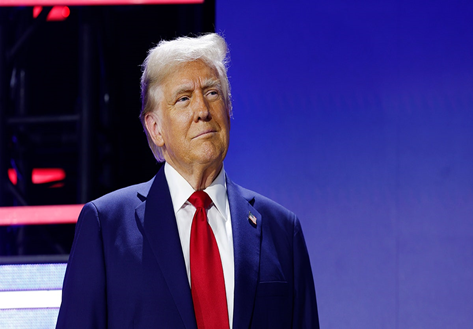
Trump called the attack a "foolish
violation" of the U.S.-Iran ceasefire, which was extended for 60 days in a
memorandum of understanding between the two countries last week. Asked by
reporters Friday if Iran would face any consequences, Mr. Trump responded: "You'll find out."
The Iranian drone attack — and the U.S. response —
could mark a setback to the Trump administration's efforts to reopen the Strait
of Hormuz, which was closed to most shipping traffic for months. Shortly after
the vessel was struck, the United Nations' International Maritime
Organization paused an effort to evacuate hundreds of ships and
thousands of mariners who were stranded in the Persian Gulf. The organization
said the ship "did not transit under IMO's evacuation framework."
The U.S.-Iran memorandum of understanding says Iran must arrange for safe, toll-free passage
through the Strait of Hormuz "using its best efforts" for 60 days. In
the week after Mr. Trump signed the deal, the number
of ships that sailed
through the strait every day surged, while oil prices plummeted to near pre-war
levels.
Still, disagreements over the strait have lingered.
The U.S. favors a route through the southern portion of the Strait of Hormuz,
hugging the coastline of Oman, while Iran has said ships still need to seek its
permission and use a northern route closer to the Iranian coast. Iran also
hasn't ruled out collecting tolls on commercial ships after the 60-day period
ends, an idea the U.S. and its allies in the region have called
unacceptable. Iran's Persian Gulf
Strait Authority said Thursday: "Any passage through routes outside the
framework designated by PGSA will not be covered by safe passage guarantees and
will not be entitled to insurance coverage or related liabilities."
It's also not clear what impact the renewed U.S. strikes on Iran will
have on talks between the two countries, which are set to negotiate over Iran's
nuclear program for the next two months. The two sides first struck a ceasefire
in early April, and while that arrangement was repeatedly tested by tit-for-tat
strikes, U.S. forces did not reopen the large-scale bombing campaign against
Iran that ran for more than a month.
Vice President JD Vance, who is
helping lead talks with Iran, wrote on social
media Friday: "Iran signed a ceasefire
agreement. We have honored it. If they have disagreements about how the
[memorandum of understanding] is being applied, they can pick up the phone. But
violence will be met with violence.