




Office Address
123/A, Miranda City Likaoli Prikano, Dope
Phone Number
+0989 7876 9865 9
+(090) 8765 86543 85
Email Address
info@example.com
example.mail@hum.com


123/A, Miranda City Likaoli Prikano, Dope
+0989 7876 9865 9
+(090) 8765 86543 85
info@example.com
example.mail@hum.com
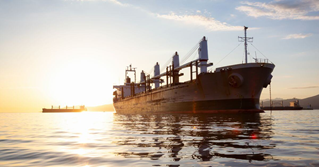
The possibility of
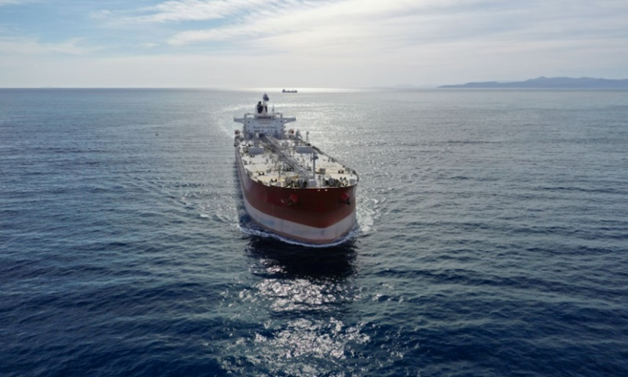
transit fees has raised concerns among the United States, European countries
and Gulf Arab states because the Strait of Hormuz is a key route for global oil
and liquefied natural gas (LNG) shipments. Any new charges on vessels could add
billions of dollars in annual costs for shipping companies and commodity
traders and have become a key issue in ongoing US-Iran peace talks. According
to a Bloomberg report, Omani officials said the country would continue to
follow international maritime law but suggested that ships could be charged for
services such as pollution control or navigational assistance in the strait. It
is still unclear whether these charges would be mandatory. The officials also said Oman is studying how
other major maritime chokepoints operate, including the Strait of Malacca in
Asia, where ships do not pay mandatory transit fees.
The possibility of Oman and Iran introducing a
joint fee system for ships using the Strait of Hormuz has increased concerns
among Western governments and Gulf States.
French President Emmanuel Macron
is scheduled to meet Oman’s Sultan Haitham bin Tariq in Paris on Monday, where
the security of maritime routes and the need for free passage through the
Strait of Hormuz are expected to be discussed. According to Macron’s office,
the two leaders will discuss “the security of maritime routes, which depends on
free and unconditional passage through the Strait of Hormuz…A senior US
official, speaking on condition of anonymity because the discussions were
private, said Iran had informed the Trump administration that it was not
seeking or collecting tolls, insurance costs or any other charges from ships
passing through the strait.The official
added that US President Donald Trump has repeatedly said Iran cannot impose
tolls on the waterway. The Strait of
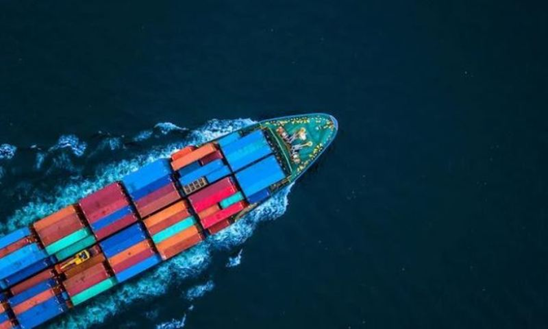
Hormuz, shared by Oman and Iran, is one of the world’s most important shipping
routes for crude oil and liquefied natural gas exports. Iran disrupted shipping in the strait by
attacking and threatening vessels from late February after the United States
and Israel launched military strikes against the country. Western governments
have also said Iran likely laid mines in parts of the waterway during the
conflict. With Washington and
Tehran now holding peace talks, Iran has said it wants to jointly manage
shipping traffic in the Strait of Hormuz with Oman. Oman has, however, sent mixed signals
about the future of the waterway. Earlier this week, Oman and Iran issued a
joint statement saying they would discuss how the Strait of Hormuz would be
managed and the costs associated with it.
Two days later, Oman joined the United States and the Gulf Cooperation
Council in signing a statement rejecting “any tolls, fees, or attempts to
assert control over the Strait.” “They
said in the meeting and they signed on to the statement that there aren’t going
to be any fees or tolls, and so I think that’s good news,” US Secretary of
State Marco Rubio said during a visit to Bahrain. According to Bloomberg, Omani officials
have privately told European counterparts that they are under pressure from
Iran. Although Oman is a close US ally, it also has strong ties with Iran and
has often acted as a mediator between Washington and Tehran. It is sometimes
called the “Switzerland of the Middle East” because of its neutral role in
regional conflicts. During the conflict, Iran launched missiles and drones
across the Middle East, including at Oman. Despite damage caused by US-Israeli
airstrikes, Iran remains a major military power in the Persian Gulf. “Oman is caught between a rock and a hard
place trying to maintain a balancing act between Iran and the US,” Bader
Al-Saif, assistant professor at Kuwait University and associate fellow at
Chatham House, told Bloomberg. “Doing
so has more or less worked in the past. But with the two sides at war and
constantly trying to outmaneuver one another, this Omani behavior will bite
them eventually,” he said. Iran
has also said that ships passing through the Strait of Hormuz will need to
obtain insurance through Tehran, adding that the coverage will remain free for
about 60 days. The issue of transit fees has become one of the key points in talks
between the United States and Iran over a permanent peace agreement following
nearly four months of conflict. Rubio
said on Thursday(25 June) that Iran would have to keep the Strait of Hormuz
free of tolls and ensure ships are not charged transit fees if it wants to
secure a formal peace deal. Otherwise, he warned, other countries could begin
introducing similar charges at major maritime chokepoints around the world,
creating disruption to global shipping.
According to the report, any fees imposed on ships using the Strait
of Hormuz could cost shipping companies and commodity traders tens of billions
of dollars every year. Governments including the United States,
the United Kingdom, France, Saudi Arabia and the United Arab Emirates have
warned that such charges would violate international maritime law.