Ship Recycling Market Still Soft
The limited
availability of suitable tonnage has restricted market activity, while the
arrival of the monsoon season is expected to add further pressure in the near
term. Further softening may be seen in the coming week, and the market will be
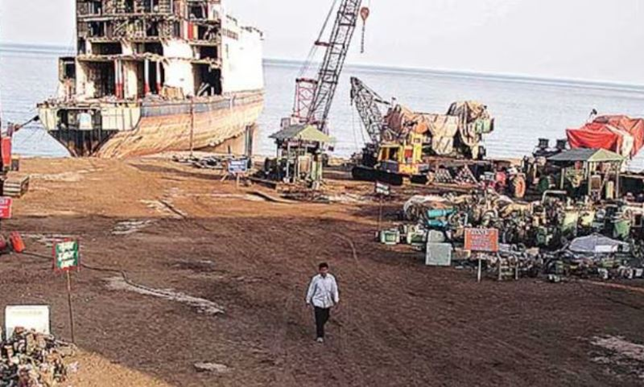
closely watched to assess how conditions develop. In Bangladesh, the local
market remained soft, with most HKC-compliant yards already holding adequate
vessel inventories, limiting fresh buying interest. Prices had strengthened
ahead of the budget on expectations of a significant duty increase. However,
duties increased by only around USD 2–5, leading prices to decline again after
the budget announcement. Buying interest remains limited, with buyers seeking
good-quality vessels only at lower price levels, while owners continue to
expect higher prices. Heavy rainfall over the past two to three weeks has also
disrupted yard operations and slowed market activity. The Ministry of
Industries recently visited several ship recycling yards, highlighting the
government’s focus on strengthening the sector and restoring Bangladesh’s
leading position in global ship recycling”.
Meanwhile, according to Best Oasis, in Pakistan,
“market conditions remained largely unchanged, with yards awaiting fresh vessel
supply. The recent decline in domestic shredded scrap prices is expected to put
downward pressure on vessel values in the coming week, although the extent of
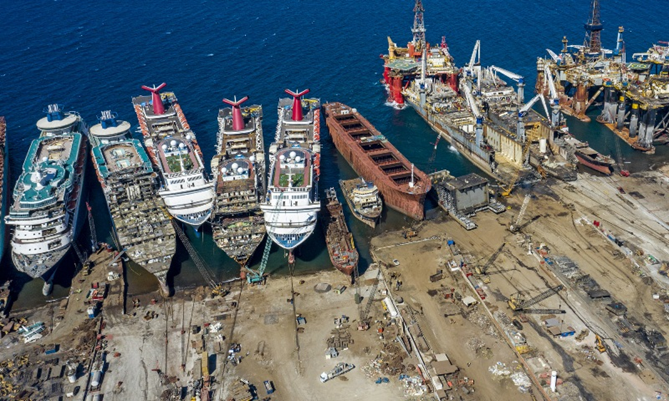
the correction remains to be seen. Finally, in TürkiyeAliaga prices remained
under pressure, with no improvement following the recent market correction.
Sentiment stayed subdued amid the continued depreciation of the Turkish lira
and limited availability of suitable recycling candidates. Yards maintained a
preference for larger vessels, although the supply of such units remained scarce.
The weaker lira continued to constrain Türkiye’s competitiveness against the
Indian subcontinent”, Best Oasis concluded”, the report concluded.
In a separate note
this week, shipbroker Intermodalcommented that “India’s ship-recycling market
is under pressure from a limited pool of candidates, cautious purchasing
appetite and comparatively weak pricing, while the monsoon continues to disrupt
yard operations. Although local prices have registered modest gains, underlying
demand remains subdued. Renewed conflict in the Middle East has also reversed
the rupee’s earlier strength, prompting RBI intervention and reviving inflation
concerns as energy costs rise. At Chattogram, the market was operationally
constrained and commercially defensive, with adequate vessel inventories,
selective buying interest and persistent rainfall limiting fresh activity. Recyclers continued to target suitable
tonnage at discounted levels, while firm seller expectations restricted dealmaking.
In the local steel market, flooding disrupted operations and cautious demand
kept trading conditions soft. On the macro side, easing food costs helped
moderate inflation, while plans to tap international debt markets through an
overseas government bond could provide additional funding flexibility for
budget -linked public expenditure.
Pakistan’s hub was broadly stable, with yards
positioned to absorb a stronger flow of candidates. However, sluggish steel
demand and softer domestic shredded-scrap prices prompted a modest easing in
recycler bids, despite continued appetite for suitable tonnage. Pakistan
maintained a pricing advantage over India, potentially directing sellers
towards the limited pool of active Gadani buyers. On the macro front, renewed
Middle East tensions complicated LNG procurement, increasing reliance on
costlier spot cargoes. The renewed Middle East disruption may enhance Gadani’s
appeal as a conveniently located recycling destination, while simultaneously
restricting vessel movements. At Aliaga, prices and sentiment remained weak as
the continued depreciation of the lira erodes market competitiveness, while
recycling tonnage remained limited”, the shipbroker concluded.
Related News