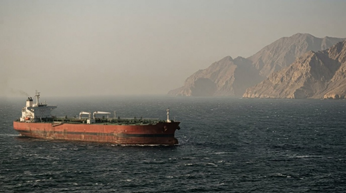




The Strait of Hormuz was once again
at the centre of the conversation, not as a distant geopolitical risk,
but as something actively shaping prices, infrastructure plans and commercial
decisions across the Gulf. It began with oil climbing above
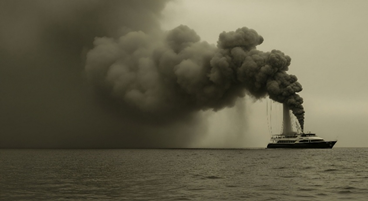
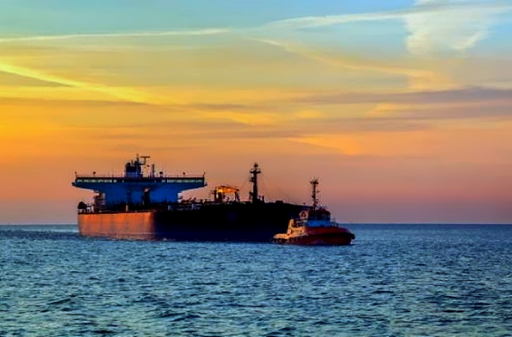
$85 as tanker attacks deepened the crisis around Hormuz, reminding everyone that supply risk does not need to remove
millions of barrels from the market to change the mood. Sometimes, the
possibility of disruption is enough.
That is the uncomfortable thing about
Hormuz. It is both a route and a risk. It carries energy flows that the global
economy depends on, but it also concentrates vulnerability in a way the
region can never fully ignore. When attacks hit tankers and Washington
reinstates restrictions on Iranian ports, the market does not wait
politely for certainty. It moves first and asks questions later.
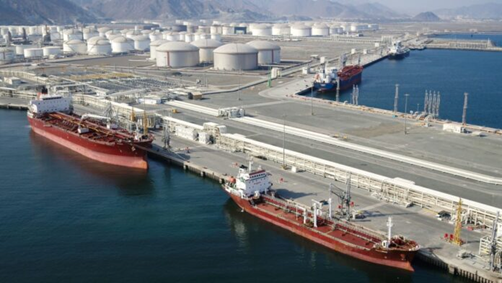
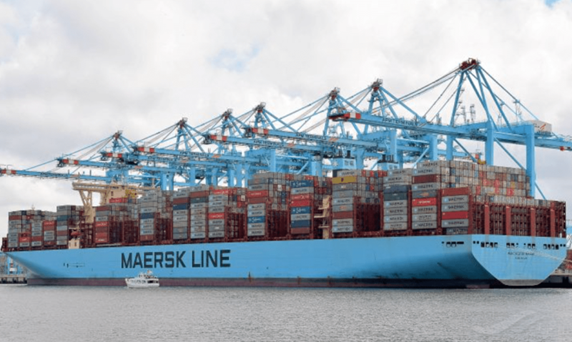
Fujairah already holds strategic
importance because of where it sits, outside the Strait and facing the
Gulf of Oman. A stronger port presence there would not eliminate risk
across regional trade routes, but it could reduce reliance on Jebel Ali
for certain flows and strengthen the country’s ability to keep goods and
energy moving during periods of stress.
That is the point. Resilience is not
always about avoiding disruption completely. Sometimes it is about having
another route, another terminal, another operating model ready before the
pressure arrives.
There is something revealing in that
combination: a lower price, a changed delivery option and a market still
watching Hormuz closely. It shows how producers are not only responding
to supply and demand, but also to the geography of risk. Where barrels
are delivered, how flexible contracts become and what discounts are
required all start to matter more when the shipping environment becomes
uncertain.
Taken together, these stories show a
region trying to trade through volatility rather than simply react to it.
Oil prices rose because Hormuz risk
returned to the foreground. DP World’s Fujairah ambitions pointed to the
infrastructure logic of reducing chokepoint exposure. ADNOC’s Murban
pricing showed how commercial decisions can shift around physical risk,
even when the barrels themselves are still moving.
And maybe that was the real message
of the week.
The Gulf does not need a full closure
of Hormuz to feel its power. It only needs enough disruption to remind
markets, traders, ports and producers that energy security is not just
about how much oil is produced. It is about where it moves, how it moves
and how quickly the region can adapt when the route becomes part of the
story.
This week, the barrels kept moving.
But Hormuz moved the market anyway.