



Office Address
123/A, Miranda City Likaoli Prikano, Dope
Phone Number
+0989 7876 9865 9
+(090) 8765 86543 85
Email Address
info@example.com
example.mail@hum.com


123/A, Miranda City Likaoli Prikano, Dope
+0989 7876 9865 9
+(090) 8765 86543 85
info@example.com
example.mail@hum.com
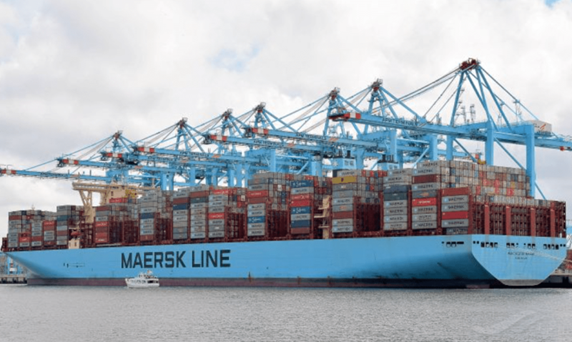
The revised
surcharge comes amid continued disruptions to global shipping caused by the
prolonged Gulf conflict, resulting in route diversions, congestion, vessel
delays and equipment shortages. The
Emergency Contingency Surcharge (ECS) is an additional freight charge imposed
by shipping lines to offset extraordinary operational costs arising from
disruptions such as route congestion, bottlenecks, missed sailings and
equipment imbalances. Under the revised
tariff, cargo originating from South and East Indian ports—including Chennai,
Ennore, Kattupalli, Tuticorin, Visakhapatnam, Cochin, Mangalore and
Kolkata—destined for North Europe will see the ECS increase from US$2,800 to
US$3,800 per TEU, an increase of US$1,000 per container. Similarly, shipments from North West Indian
ports, including Mundra, Jawaharlal Nehru Port (JNPA), Hazira and Pipavav, will
witness the ECS rise from US$2,500 to US$3,500 per TEU.
In addition to the
ECS hike, Maersk will also introduce a Heavy Load Surcharge (HWS) of US$2,000
per overweight TEU for cargo moving from North West India to North Europe. The
surcharge will apply to containers with a gross weight exceeding 22 metric
tonnes and will also take effect from August 1. The surcharge increases are expected to
impact key Indian export sectors including textiles, apparel, automobile
components, leather goods, pharmaceuticals and engineering products, all of
which rely heavily on European markets.
Industry observers believe the higher surcharges will substantially
increase logistics costs and place additional pressure on exporters’ margins,
particularly for labour-intensive industries already coping with volatile
freight markets and supply chain disruptions linked to the ongoing Gulf crisis.
The development comes at a time when India and the European Union are in the final
stages of concluding the India–EU Free Trade Agreement (FTA). Once implemented,
the agreement is expected to provide zero-duty access to approximately US$33
billion worth of Indian exports, with the EU opening 97% of its tariff lines,
covering 99.5% of India’s exports by value.
While the tariff benefits under the proposed FTA are expected to improve
the competitiveness of Indian products in Europe, the agreement is still
undergoing legal vetting and is anticipated to come into force by the end of 2026.
Market participants will now closely monitor whether
other major container shipping lines introduce similar surcharge increases and
how Indian exporters adapt to the rising cost of maritime transportation on the
Europe trade lane.