




Office Address
123/A, Miranda City Likaoli Prikano, Dope
Phone Number
+0989 7876 9865 9
+(090) 8765 86543 85
Email Address
info@example.com
example.mail@hum.com


123/A, Miranda City Likaoli Prikano, Dope
+0989 7876 9865 9
+(090) 8765 86543 85
info@example.com
example.mail@hum.com
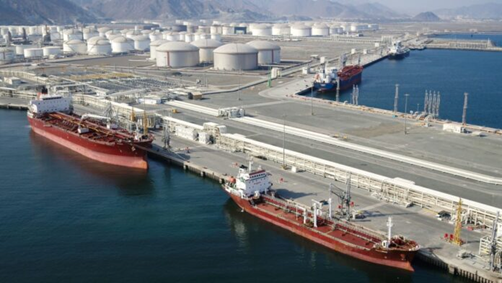
The company is in
discussions to build a new multipurpose port in Fujairah and a container
terminal at the emirate’s existing harbour, people familiar with the matter
told the newspaper. The project would mark a significant diversification effort
for DP World, whose operations have long been centred around the Jebel Ali
Port, the Middle East’s largest container hub and a key pillar of Dubai’s rise
as a global trade and logistics
centre. The details of the proposed
port emerged as Iran once again closed the Strait of Hormuz, a strategic
waterway through which nearly 20 per cent of the world’s oil and gas supplies
pass, while the United States reimposed a naval blockade amid renewed tensions.
The strait has remained vulnerable to disruptions since the outbreak of the
US-Israel-Iran conflict in February, severely affecting global energy supplies,
although shipping had briefly resumed following a short-lived ceasefire
agreement between the warring sides.
The proposed new port would be located on the Gulf of
Oman, allowing cargo to enter and leave the UAE without passing through the
Strait of Hormuz. Containers could then be transported overland to Dubai, Abu
Dhabi and other Gulf destinations. The
move comes as the UAE seeks to strengthen the resilience of its economy and infrastructure following
disruptions linked to the ongoing conflict involving Iran. According
to the report, activity at Jebel Ali dropped by as much as 90-95 per cent after
Iran closed the Hormuz strait in response to US-Israeli military actions,
prompting DP World to accelerate plans for alternative trade corridors. Before the conflict, around 135 vessels
passed through the strait each day. When it reopened, daily transits reportedly
struggled to exceed 40 vessels, with recent attacks on shipping and renewed
hostilities further affecting maritime traffic. DP World is currently
negotiating a term sheet with government authorities, while the project’s
financing and ownership structure are still being finalised. A senior company
official told the Financial Times that the new facilities could be operational
within 18 months. “There are plans in
the works around diversification to get through this disruption,” Financial
Times quoted DP World as saying, as it also acknowledged that diversification
plans were being developed to mitigate disruption risks. However,
officials stressed that the expansion would not replace Jebel Ali, which
remains central to Dubai’s economy. The sprawling port complex includes a vast free
trade zone, logistics facilities and industrial infrastructure that have been
built over several decades. “Jebel Ali will continue to be Jebel Ali.
It will never be downsized,” a senior company official was quoted as saying.
Initial investments in the new facilities are expected to run into hundreds of
millions of dollars, with further expansion possible depending on future
demand. The project is being viewed as a defensive measure designed to
safeguard the UAE’s trade flows against future disruptions in the Strait of
Hormuz. Since the onset of the crisis,
DP World has already diverted cargo from Jebel Ali to ports on the UAE’s
eastern coast, including Fujairah and nearby Khor Fakkan. Those facilities have
experienced congestion as shipping volumes shifted away from the Strait of
Hormuz route. The planned
expansion also comes amid increased competition on the UAE’s east coast.
Sharjah-based logistics operator Gulftainer recently announced a USD 2 billion
investment programme to expand capacity at Khor Fakkan port, another major
container hub on the Gulf of Oman. Fujairah already holds strategic importance
in the UAE’s energy sector, serving as a key export point for Abu Dhabi’s crude
oil shipments that bypass the Strait of Hormuz. The proposed DP World project
would further strengthen the emirate’s role in the country’s trade and logistics network.