




Office Address
123/A, Miranda City Likaoli Prikano, Dope
Phone Number
+0989 7876 9865 9
+(090) 8765 86543 85
Email Address
info@example.com
example.mail@hum.com


123/A, Miranda City Likaoli Prikano, Dope
+0989 7876 9865 9
+(090) 8765 86543 85
info@example.com
example.mail@hum.com
United States Central
Command (CENTCOM) announced the losses on Saturday stating that the two
personnel were killed in action on 17 July while US and partner forces defended
against the incoming attack. A third service member remains unaccounted for.
Four others were evacuated to hospitals in Jordan and have since been
discharged, and additional personnel assessed for minor injuries returned to
duty.
CENTCOM did not
identify the base or the region of Jordan where the attack occurred. The names
of the dead are being withheld until 24 hours after their families have been
notified.
The deaths land in the
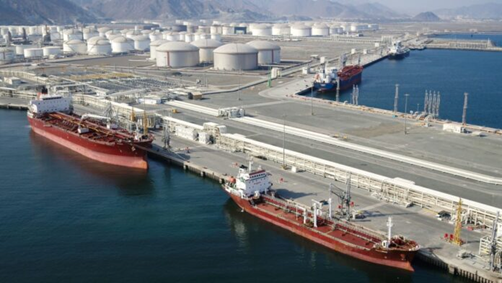
middle of a week that has effectively closed the world’s most important oil
chokepoint for a second time this year. Iran has again declared the Strait of
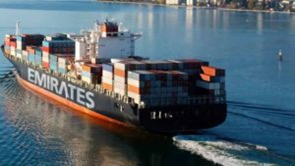
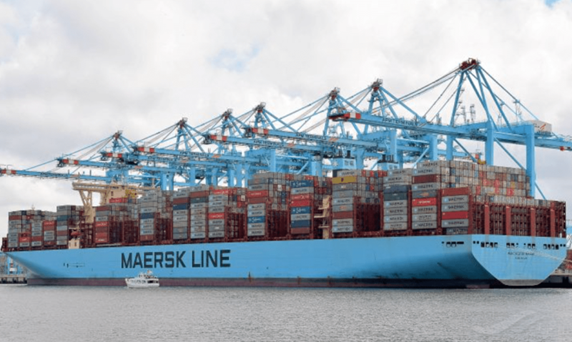
Hormuz shut, and Washington has reimposed its naval blockade of Iranian ports. For shipping, transits through the strait
fell to eight vessels on Thursday,(17 July) down from 15 the day before,
according to trade intelligence firm Kpler — a three-week low. Before the conflict started on 28th February, more than 100 ships passed
through the waterway every day. Analysts at Lloyd’s List Intelligence describe
the strait as largely closed again, with the few vessels still crossing doing
so with their transponders switched off.
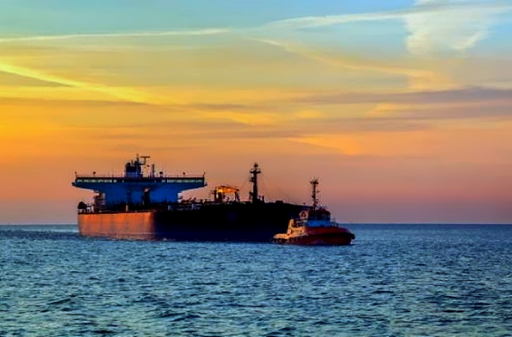
The commercial fleet is bearing a
direct cost. International Maritime Organization (IMO) data records at least
nine ships attacked since 6 July, as Iran presses vessels to abandon the
US-protected route along the Omani coast and transit instead through Iranian
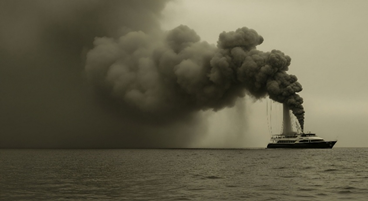
territorial waters. The most serious of
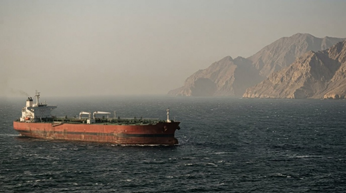
those attacks hit two very large crude carriers operated by ADNOC Logistics
& Services, the shipping arm of the Abu Dhabi National Oil Company. Al
Bahyah and Mombasa B were both struck by projectiles roughly 13 nautical miles
off Oman while running dark. Both suffered significant damage. The IMO has since revised its casualty
figures upward, recording two seafarers killed and 14 injured across the two
vessels, with the crew of Mombasa B abandoning ship. The UAE Ministry of
Defence attributed the strikes to Iranian cruise missiles. The IRGC has said
the tankers were hit after ignoring repeated warnings. India’s Ministry of External Affairs
summoned the Deputy Chief of Mission of Iran’s embassy in New Delhi and lodged
a formal protest over the death of an Indian seafarer and serious injuries to
two others. American forces have moved against Iran’s maritime targeting capability
in parallel. CENTCOM confirmed the destruction on 16 July of the Port
surveillance tower on Iran’s Gulf of Oman coast, describing it as part of a
network the IRGC has used for decades to track and target commercial vessels
entering the strait. The
underlying dispute remains unresolved. A memorandum of understanding signed by
Washington and Tehran on 17th June committed Iran to guaranteeing safe passage
through Hormuz, but never defined which lanes vessels were entitled to use.
That ambiguity is now being settled with missiles. President
Donald Trump has said the strait is open to everyone except Iranian shipping,
and has separately demanded a 20 per cent reimbursement on all cargo moving
through the waterway in return for American protection. Owners and charterers,
watching casualty figures climb on both the naval and commercial sides, are not
behaving as though the passage is open.