



Office Address
123/A, Miranda City Likaoli Prikano, Dope
Phone Number
+0989 7876 9865 9
+(090) 8765 86543 85
Email Address
info@example.com
example.mail@hum.com


123/A, Miranda City Likaoli Prikano, Dope
+0989 7876 9865 9
+(090) 8765 86543 85
info@example.com
example.mail@hum.com
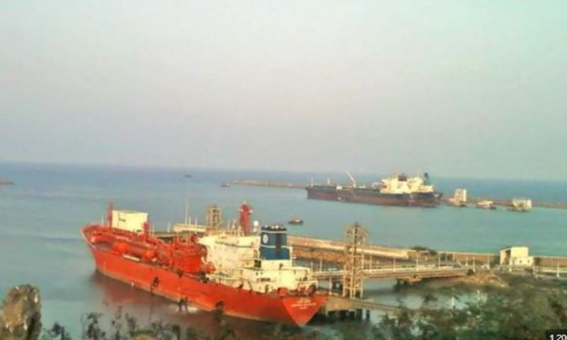
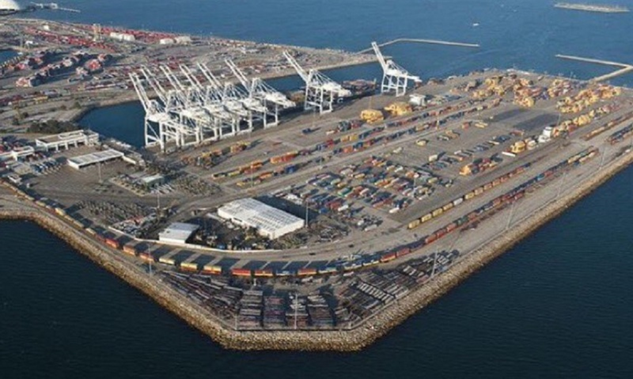
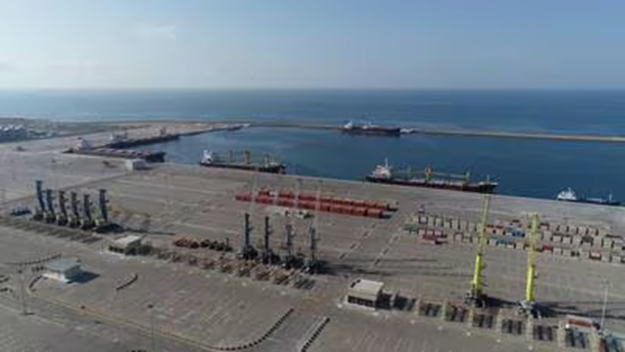
The first phase of the ₹4,362-crore deep-sea
greenfield port, formerly known as Bhavanapadu Port, is more than 80 per cent
complete. Construction of the road connecting the port to National Highway-16
is also progressing rapidly, and the facility is expected to become operational
by November this year.
Designed with an 18-metre draft, Mulapeta Port will
feature four berths—three for general cargo and one dedicated to coal handling.
The port will be capable of accommodating Panamax and Capesize vessels and is
planned to handle 23.5 million tonnes of cargo annually.
In a significant
development, the Central Government recently approved the transfer of 385 acres
of Naupada salt lands to the Andhra Pradesh Maritime Board, enabling direct
road and rail connectivity to NH-16. Dredging works have been completed, while
over 92 per cent of the breakwater construction is already finished. The state government has approved the
acquisition of 1,903 acres for the second phase of the project and sanctioned
₹440 crore towards compensation for affected farmers. Revenue officials have
begun preliminary work to identify the required land ahead of the formal
acquisition process.
According to Santabommali Tahsildar Hemasundara Rao,
the revenue department will commence land acquisition proceedings once formal
government orders are issued. However, groundwork for identifying land has
already begun. Officials have
identified more than 150 acres of Inam land in Potinaidupeta village, where
notifications have been issued. Around 1,200 acres of Andhra Pradesh Industrial
Infrastructure Corporation (APIIC) land between Kakarapalli and Akasalakkavaram
are also available for the project. Additional land parcels are being assessed
in Sandhipeta, M Sunnapalli, Kottalingudu, Patalingudu and Meghavaram
villages. A senior revenue official stated that the government owns nearly 800
acres around Patalingudu village and has already initiated discussions with
local residents regarding the proposed acquisition.
Once completed,
Mulapeta Port is expected to reduce congestion at Visakhapatnam Port and serve
as a major bulk cargo gateway for the landlocked states of Chhattisgarh and
Jharkhand, strengthening Andhra Pradesh’s maritime infrastructure and logistics
network.