



Office Address
123/A, Miranda City Likaoli Prikano, Dope
Phone Number
+0989 7876 9865 9
+(090) 8765 86543 85
Email Address
info@example.com
example.mail@hum.com


123/A, Miranda City Likaoli Prikano, Dope
+0989 7876 9865 9
+(090) 8765 86543 85
info@example.com
example.mail@hum.com
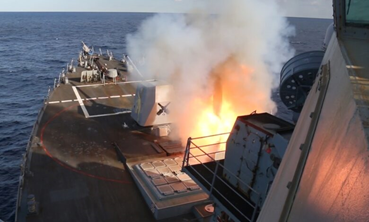
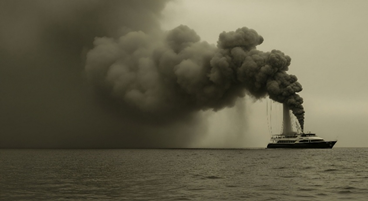
The Kuwait Oil Tanker Company product tanker Kaifan issued a distress call after being hit by
what its crew described as a drone or missile around eight nautical miles
northeast of Limah, Oman. The strike sparked an engine room fire, and the crew
later abandoned the vessel into a lifeboat, UK Maritime Trade Operations
reported.
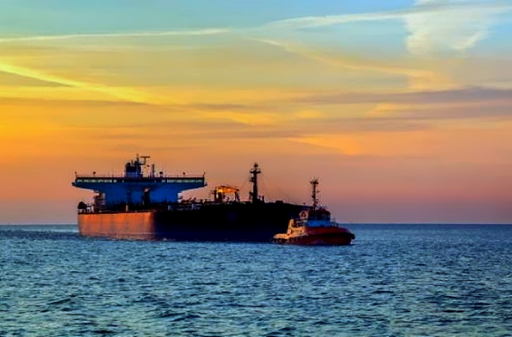
The incident came hours after the Malta-flagged
product tanker Kavomaleas, operated by Greece’s
Dynacom Tankers, was struck by two projectiles near Kumzar, Oman. A fire broke out in the engine room and
the crew evacuated after deploying the ship’s fire-suppression system. All
seafarers were rescued, while the tanker remained burning and adrift. A separate vessel reported steering gear damage after being struck 17
nautical miles east of Dibba in the UAE. Its crew was safe, and no pollution
was reported.
The attacks coincided with a tenth consecutive night of US strikes
against Iranian military targets. Commercial traffic through Hormuz has again
slowed sharply. The financial cost of
accepting that risk is reaching new highs. Reuters reported that marine
war-risk premiums for Hormuz transits have climbed to as much as 10% of a
vessel’s value following the latest attacks.
The most immediate pressure, however, is falling on seafarers. Bloomberg
reported that South Korea’s Sinokor Group, the world’s largest owner of VLCCs,
has offered crews an additional six months’ salary for a one-month round trip
through Hormuz to load oil in Saudi Arabia or Iraq and discharge in the Gulf of
Oman.